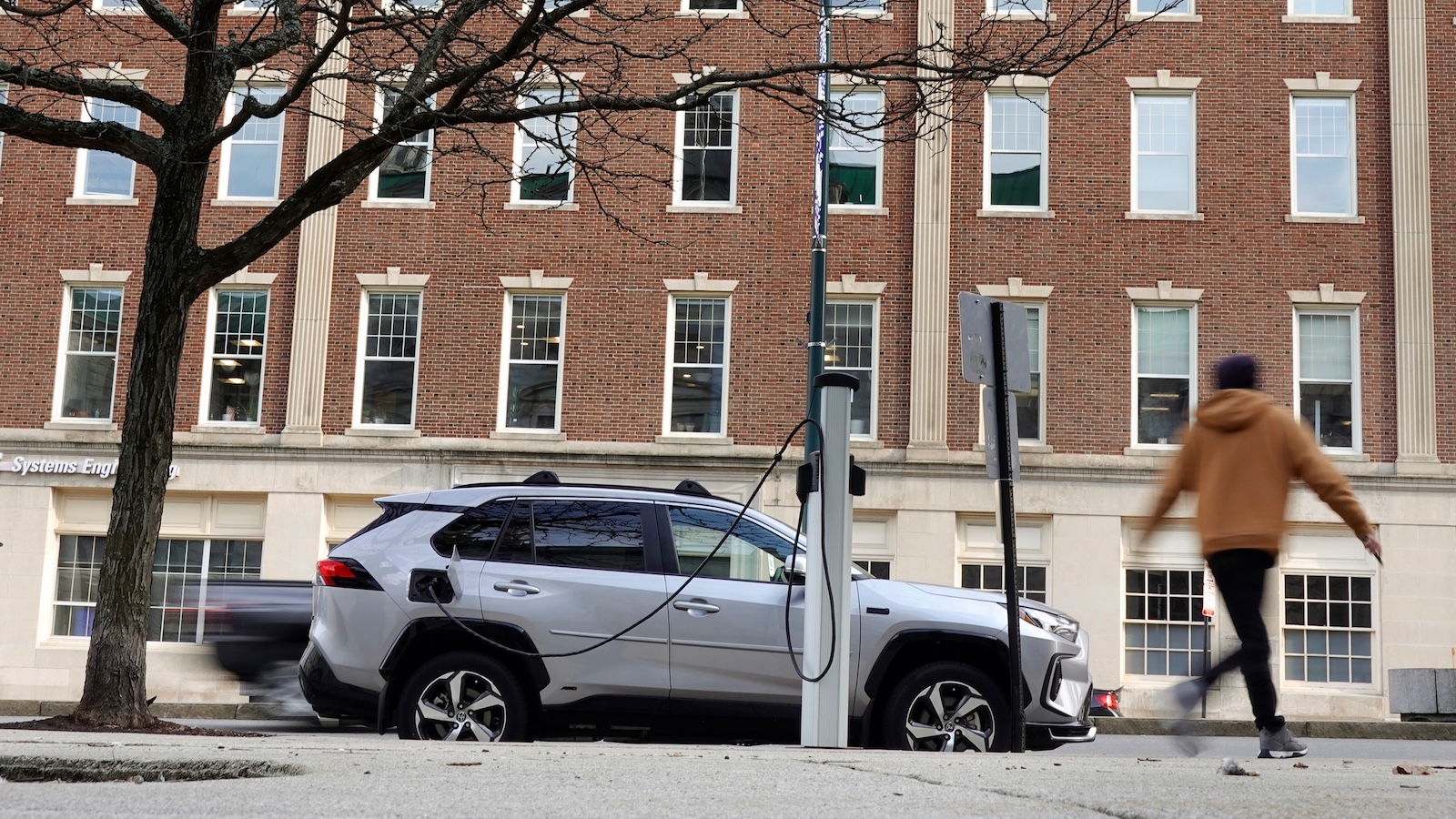
Electric vehicle owners pay 42 percent more for insurance than drivers of comparable conventional vehicles, according to analysis covered by Grist. This cost premium reflects the complex repair economics of EV technology and the nascent insurance market's approach to these vehicles.
EV repairs demand specialized technicians and parts unavailable at most traditional shops. Battery replacements, which represent the largest potential expense, can exceed $10,000. Insurance companies lack historical claims data for mass-market EVs, creating uncertainty in pricing. Insurers apply higher risk premiums to compensate for this information gap, even as EV collision rates and accident severity remain comparable to or lower than conventional vehicles in early studies.
The insurance markup compounds what should be cost advantages of EV ownership. While fuel savings and reduced maintenance offset purchase premiums for many buyers, insurance negates those financial benefits. A driver paying $500 annually for a combustion vehicle might pay $710 for an equivalent EV. Over a vehicle's eight-to-ten year lifespan, this adds $1,680 to total ownership costs.
Regional variation exists. Markets with higher EV adoption rates and established repair networks show narrower insurance gaps. California and New York insurers have accumulated more EV claims data and can price more competitively. Rural areas with limited EV repair capacity face steeper premiums.
The insurance gap threatens EV adoption momentum. Prospective buyers conducting total cost-of-ownership calculations discover the math less favorable than advertised. This hidden barrier particularly affects lower-income buyers for whom insurance increases represent a larger percentage of household budgets.
Insurance companies, vehicle manufacturers, and trade groups recognize the need for change. Some insurers are developing EV-specific rating models based on actual claims data. Manufacturers are establishing certified repair networks to reduce labor costs and streamline parts supply. Industry groups push for data standardization so insurers can accurately assess E