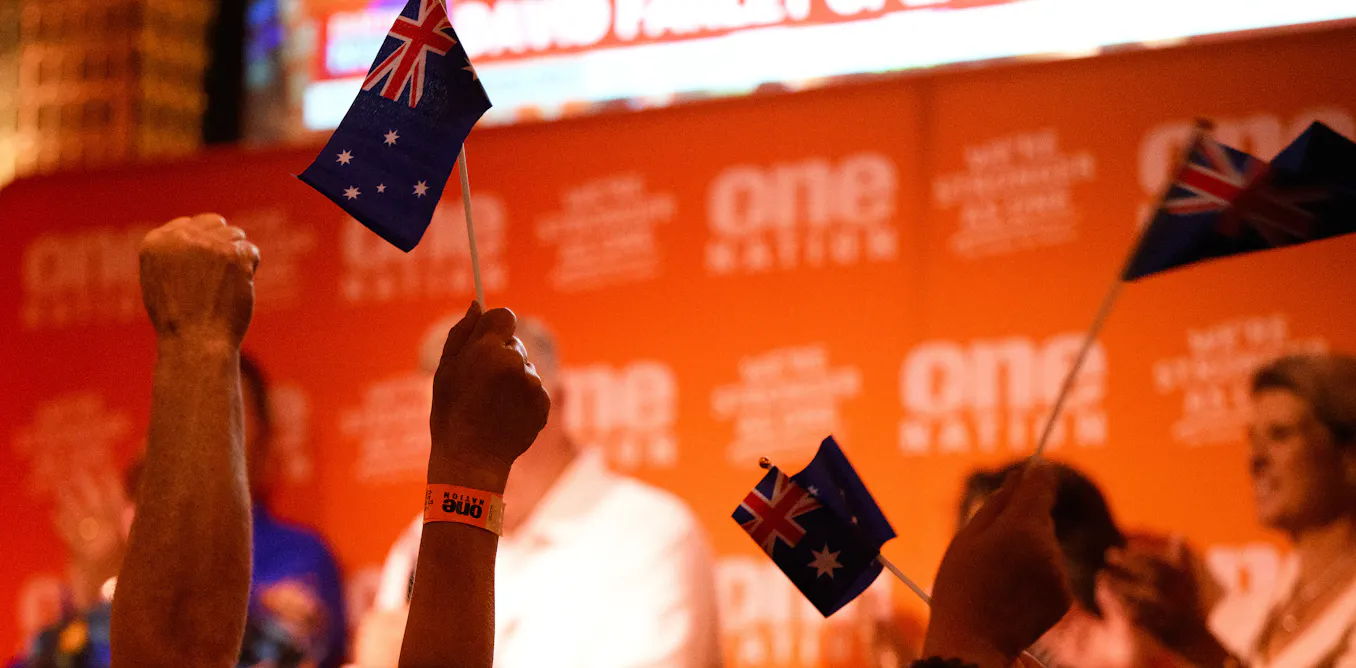
Victorian Labor faces a narrowing path to re-election as One Nation consolidates support among regional and working-class voters, according to pollster Simon Welsh. The party risks compounding electoral damage if it removes Premier Jacinta Allan before November's state poll, Welsh warns.
One Nation's rise reflects voter dissatisfaction with cost-of-living pressures and perceived Labor neglect in regional areas. The party has built particular strength among constituencies that traditionally supported Labor, capitalizing on frustration over energy costs and economic management.
Welsh characterizes Victoria's electoral landscape as "very messy," with volatile voter movements across demographic blocs. Labor's primary vote has contracted as minor parties and independents capture disaffected supporters. The Greens maintain strength in inner-city seats while One Nation gains traction elsewhere.
A leadership change would signal Labor weakness rather than renewal, Welsh argues. Replacing Allan mid-campaign would consume media attention, distract from policy messaging, and invite questions about party stability at a critical moment. The move would risk accelerating Labor losses rather than arresting them.
Victorian Labor holds 45 of 88 lower house seats. The coalition stands as the primary opposition, but One Nation's emergence as a serious contesting force complicates the binary contest. Regional seats where Labor traditionally held advantages now face genuine three-way competitions.
Welsh's assessment aligns with broader polling trends showing cost-of-living pressures dominating voter concerns across Australian states. Energy affordability ranks as a top issue in Victoria specifically, where industrial regions and rural areas have experienced economic strain.
The election outcome will test whether Labor can rebuild trust in regions it has long dominated. Victorian voters appear willing to punish the government for perceived economic failures, even as they grapple with which alternative offers better solutions. One Nation's gains suggest voters will consider non-traditional options when established parties fail to address their priorities.