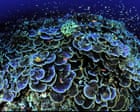
The ocean floor remains one of Earth's least explored frontiers, yet industrial expansion threatens ecosystems scientists barely understand. Deep-sea environments host remarkable lifeforms, from ping-pong sponges to hydrothermal vent communities near "black smokers," heat-spewing mineral chimneys on the seafloor.
The 2014 disappearance of Malaysian Airlines Flight 370 exposed humanity's limited knowledge of deep ocean basins. Search efforts revealed vast stretches of seabed that had never been surveyed or mapped. This gap in understanding extends across the southern Indian Ocean and other remote marine regions where biodiversity thrives in complete darkness and crushing pressure.
Yet commercial interests now target these unexplored waters. Underwater mining operations aim to extract polymetallic nodules and other mineral resources from the abyssal plain, the vast flatlands covering much of the deep ocean floor. The practice threatens chemosynthetic ecosystems that depend entirely on minerals from hydrothermal vents, organisms that rely on bacterial processes rather than photosynthesis.
Scientists warn that mining could destroy species before researchers even identify them. Deep-sea organisms typically grow slowly, reproduce infrequently, and exist in isolated communities with limited genetic diversity. Recovery from habitat damage may take decades or prove impossible.
The International Seabed Authority regulates mining activities in international waters, but regulatory frameworks remain underdeveloped. Most deep-sea mining regulations lack robust environmental impact assessments or long-term monitoring requirements. Some nations have pushed to expand mining licenses despite incomplete scientific data about deep-ocean ecosystems.
Environmental groups argue that societies should establish marine protected areas and complete baseline surveys before permitting any extractive activity. The deep ocean provides critical ecosystem services, including carbon sequestration and nutrient cycling, whose loss could have cascading effects on global ocean health.
Each expedition to the deep reveals organisms previously unknown