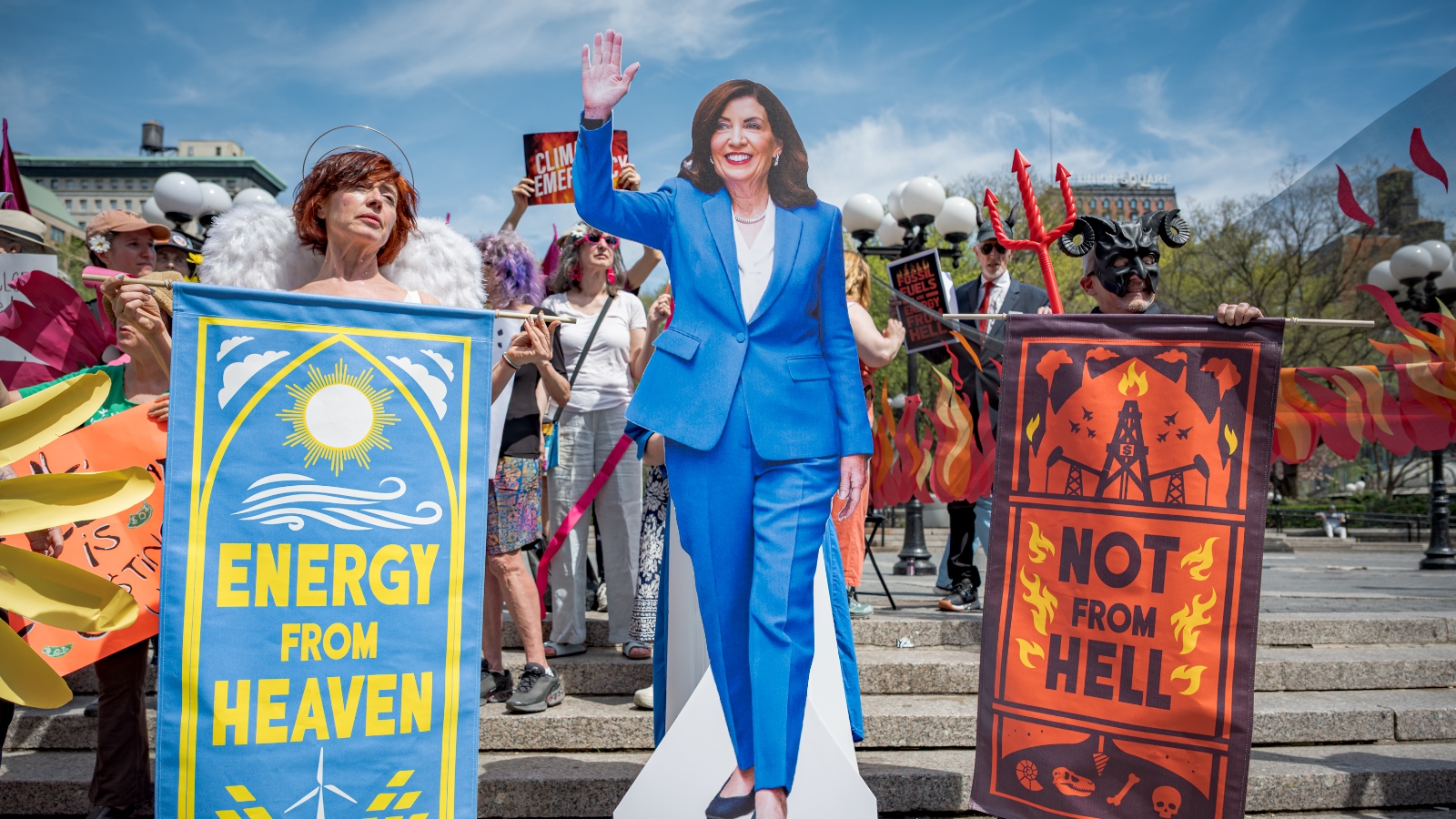
New York's governor Kathy Hochul delayed implementation of a major climate regulation that would have phased out natural gas in buildings, one of the state's largest sources of emissions. The postponement overturns a core element of New York's Climate Leadership and Community Protection Act, passed in 2019, which committed the state to cutting greenhouse gas emissions 85 percent by 2050.
The regulation, known as the Building Performance Standards (BPS), required large buildings to reduce emissions starting in 2024. Hochul suspended the mandate, citing concerns about heating costs for renters and homeowners. The move drew criticism from environmental groups and climate advocates who argue the delay undermines New York's credibility as a climate leader.
Buildings account for roughly 28 percent of New York State's total greenhouse gas emissions, making the sector central to meeting state targets. Natural gas heating dominates in residential and commercial properties across the state. The BPS aimed to push building owners toward electrification and renewable heating systems by establishing escalating emissions limits.
Hochul's administration framed the delay as necessary to protect low-income households from rate shocks during an energy transition. Utility costs have risen sharply nationwide, creating political pressure on state leaders. However, environmental advocates note that delaying the rule extends reliance on fossil fuels and increases long-term climate risks.
The backtrack reflects a broader tension in climate policy: the gap between ambitious emissions targets and the political costs of implementation. New York had positioned itself as a national leader after passing one of the country's most stringent climate laws. The decision to delay the BPS signals how economic concerns and energy affordability can override climate commitments, even in states with strong environmental constituencies.
The state indicated the rule could restart later, but no timeline for reinstatement exists. Environmental organizations are evaluating legal options to challenge the suspension.