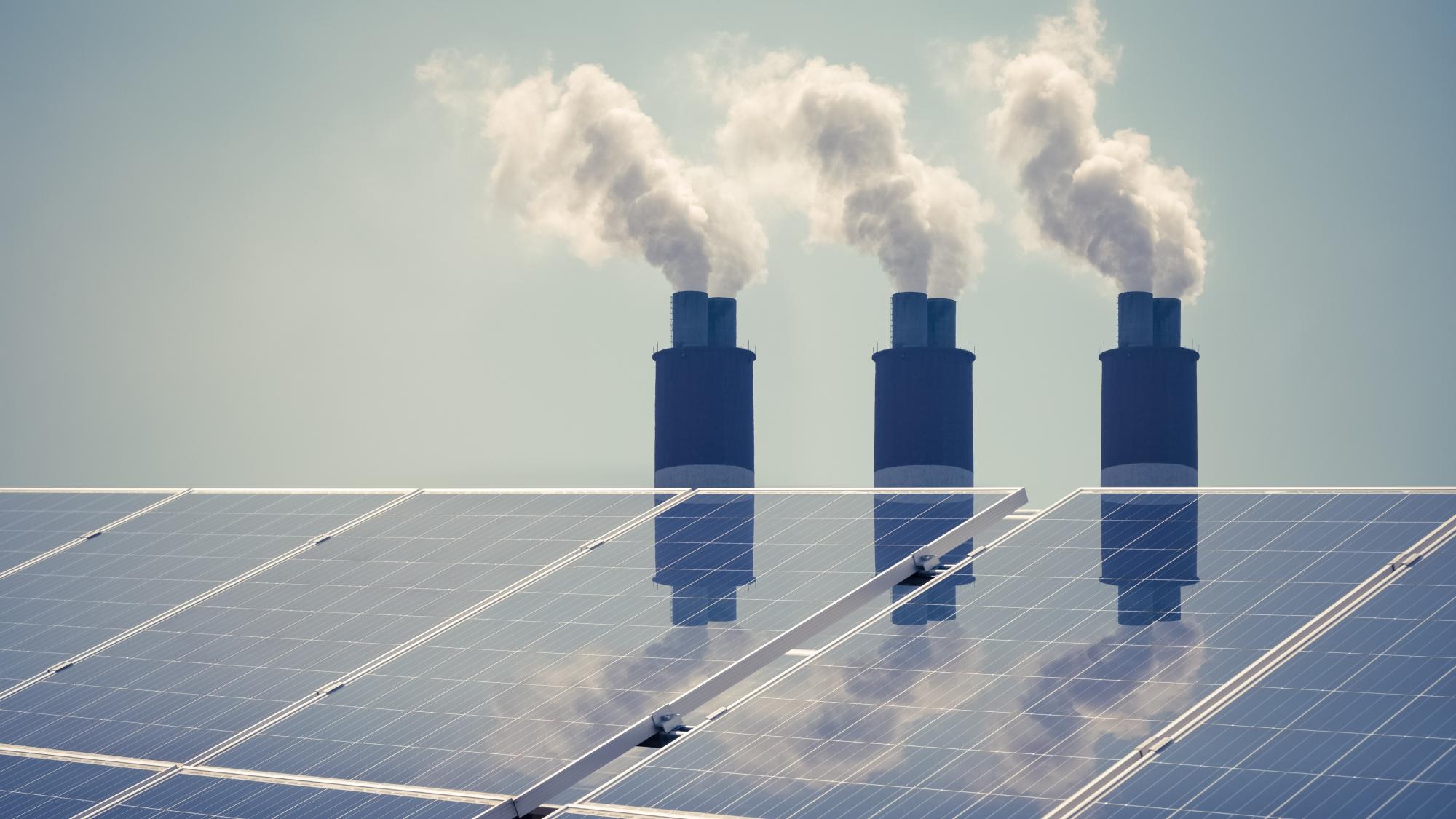
For the first time, solar power supplied a larger share of U.S. electricity generation than coal, marking a historic shift in the nation's energy mix. Solar now generates more than twice the electricity it did five years ago, underscoring the rapid acceleration of renewable energy adoption across American power grids.
The milestone reflects structural changes in how utilities and consumers source electricity. Coal's declining share stems from both economic pressures and aging infrastructure. Solar installations have expanded dramatically due to falling panel costs, federal tax credits, and state renewable energy mandates. The Investment Tax Credit, which covers 30 percent of solar installation costs through 2032, continues to drive deployment.
Data from grid operators and the Energy Information Administration document the transition. Solar capacity has grown from roughly 40 gigawatts in 2018 to over 100 gigawatts today. Coal plants representing tens of thousands of megawatts have retired in the same period. In 2023, coal provided about 16 percent of U.S. electricity; solar's share now exceeds this threshold.
Regional variation remains pronounced. Texas leads solar capacity additions, followed by California, Florida, and North Carolina. The Southeast and Midwest still depend heavily on natural gas and coal, though solar deployment accelerates in these regions too.
Grid operators have begun managing challenges associated with high solar penetration. Midday solar peaks create periods of oversupply, while evening demand remains unmet without battery storage. Utility-scale battery installations grew 180 percent in 2023, addressing intermittency concerns. Grid operators increasingly use demand-response programs and improved forecasting to balance supply and load.
Coal industry advocates warn of job losses in mining communities. Appalachian regions dependent on coal extraction face economic transitions. Retraining programs and federal investments in coal country infrastructure aim to address these impacts, though funding remains contested in Congress.
Environmental