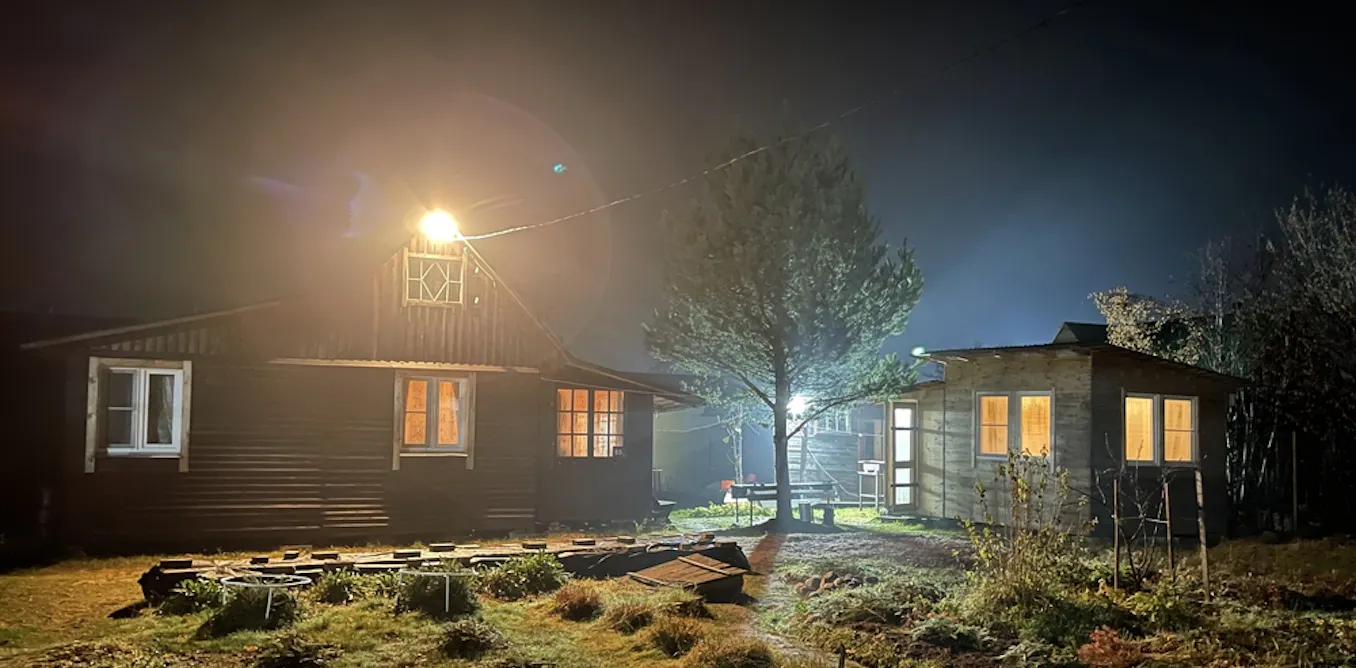
Farmers operating within a national park are dimming artificial lights at night as part of a wildlife protection effort. The initiative reduces glare and shifts toward lighting less disruptive to nocturnal animals. Early results suggest the practice may also benefit crop yields.
Artificial light at night disrupts circadian rhythms in wildlife, affecting feeding, breeding, and migration patterns. Insects navigate by moonlight and starlight. Excessive artificial illumination disorients them, fragmenting populations and reducing pollinator availability for crops. Birds collide with lit structures or become disoriented during migration. Amphibians and small mammals alter behavior, increasing vulnerability to predation.
The farmers modified their outdoor lighting by reducing intensity, installing motion sensors, and switching to amber or red-spectrum bulbs that wildlife perceives as less intrusive than white light. These changes lower energy consumption while maintaining visibility for farm operations and safety.
Preliminary observations from participating farmers show crop performance remained stable or improved after implementing dimmer lighting protocols. Reduced light pollution may enhance pollinator activity during daylight hours, as insects face less nighttime exhaustion from artificial illumination exposure. The effect compounds when multiple farms adopt similar practices, creating larger dark corridors that support wildlife movement and breeding.
National parks house protected species with legal protections. Agricultural operations within these boundaries must balance productivity with conservation mandates. This initiative demonstrates compatibility between farming and environmental stewardship.
Broader adoption faces obstacles. Retrofitting lighting infrastructure requires upfront investment. Farmers working outside protected areas lack regulatory incentive to participate. Yet evidence accumulates that light pollution carries genuine economic costs. Pollinator decline already reduces agricultural output across regions. Reduced pest populations from disrupted insect feeding cycles could lower pesticide dependence.
The national park initiative offers a model for agricultural zones globally. When wildlife thrives, farm ecosystems stabilize. The relationship between ecological health and agricultural productivity grows cle