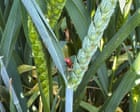
Farmers in Lincolnshire are discovering that natural pest control agents like ladybirds and wasps deliver enormous value during the critical pre-harvest window. As Colin Chappell documents from Brigg, the long June evenings provide crucial hours for both human labor and beneficial insect activity to protect crops before July harvest.
The work involves manual removal of contaminating weeds. Chappell and his team walk seed crop tramlines pulling out wild oats, brome, and blackgrass to prevent seed contamination of their own fields and neighboring farms. Strict regulatory limits govern how many such plants can remain per hectare, underscoring the standards that govern commercial seed production.
What makes this account significant is its attention to the insects doing parallel work. Ladybirds and wasps function as unpaid agricultural laborers, controlling pest populations without chemical intervention. Ladybird larvae consume aphids and scale insects at voracious rates. Parasitic wasps lay eggs in pest insects, their larvae consuming hosts from within. These predators and parasitoids reduce the need for pesticide applications, lowering input costs while supporting soil health and pollinator populations.
The timing matters. June's warmth accelerates insect reproduction and activity exactly when crop vulnerability peaks before harvest. Extended daylight hours allow both human workers and predatory insects maximum foraging time.
This observation aligns with broader agricultural research showing integrated pest management systems outperform chemical-only approaches. Studies from research institutions across Europe document that farms preserving habitat for natural enemies experience fewer pest outbreaks, reduced input expenses, and improved long-term soil quality.
Chappell's account frames conventional farming reality through an ecological lens. The "unsung heroes" framing acknowledges that sustainable yields depend on ecosystem services often invisible to commodity markets. As chemical costs rise and regulations tighten around pesticide use, recognizing lad