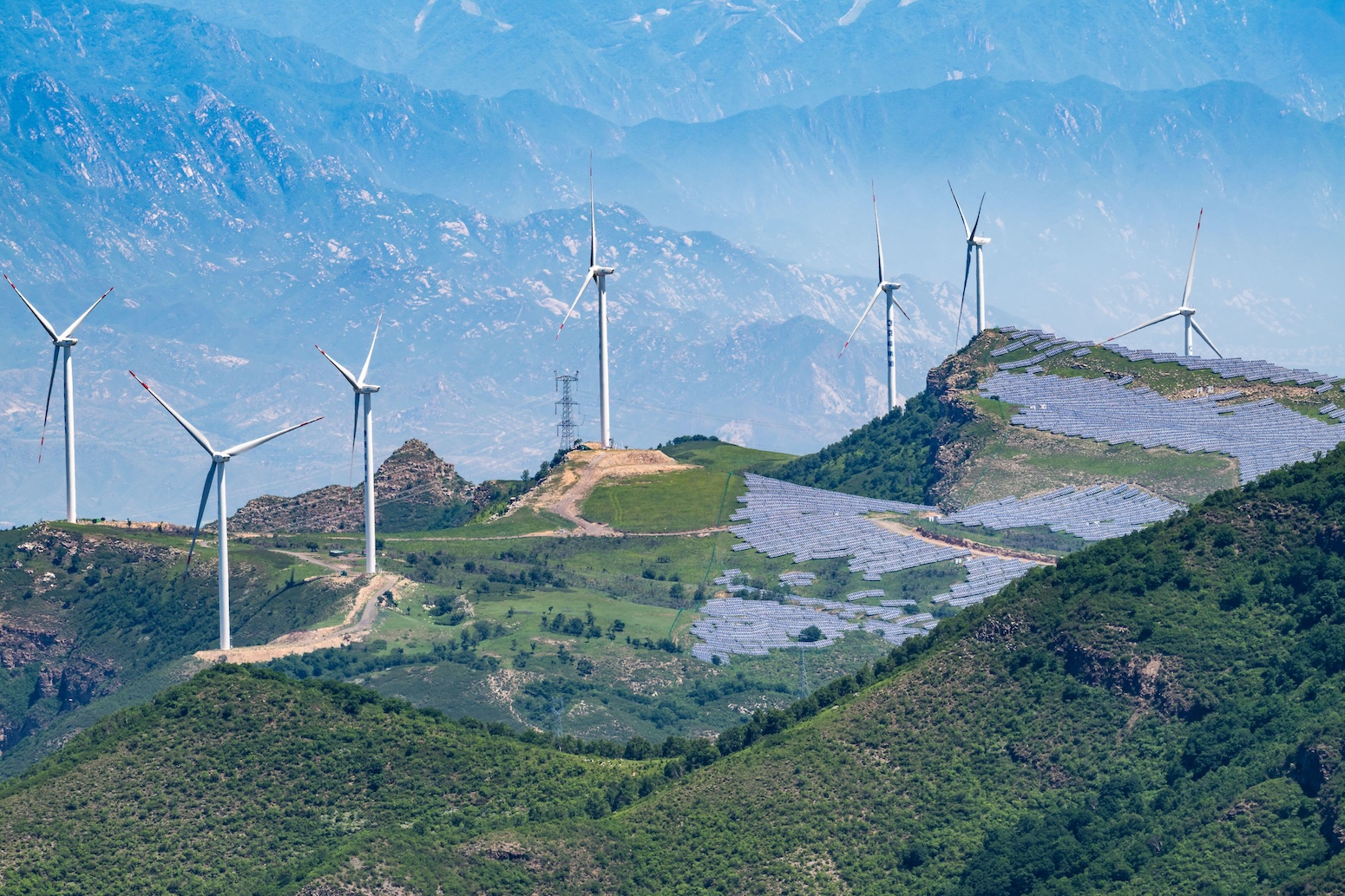
China's carbon dioxide emissions rose 2% in the first quarter of 2026, driven by increased coal consumption despite rapid renewable energy deployment. The growth undercuts Beijing's climate commitments and reveals a structural problem in the nation's energy infrastructure: substantial wind and solar capacity remains unused.
Analysts attribute the emissions increase to grid management failures that prevent effective integration of renewable power. When wind and solar installations generate electricity, the grid cannot always route that power to consumers efficiently. This curtailment, or wasted renewable generation, forces power planners to rely more heavily on coal-fired plants to meet demand.
China added record renewable capacity in recent years. Yet without corresponding upgrades to transmission networks and energy storage systems, much of this capacity sits idle. During peak renewable generation periods, curtailment rates spike as the grid lacks infrastructure to handle the influx of variable power sources.
Coal consumption growth accelerated in early 2026 as industrial production recovered and heating demand remained high during winter months. The country's coal fleet continued operating at elevated levels, burning through fuel that renewables could have displaced. This dependency reveals that renewable capacity alone cannot drive decarbonization without matching infrastructure investments.
The 2% emissions growth follows years of slower increases. China's total emissions have moderated from previous decades of rapid expansion, but this recent acceleration signals risks in meeting the nation's stated climate goals. The country has pledged to peak emissions before 2030 and reach carbon neutrality by 2060.
Energy analysts warn that grid modernization must accelerate alongside renewable deployment. Enhanced long-distance transmission lines, energy storage expansion, and improved demand-response systems can reduce curtailment and prevent coal from backfilling renewable capacity. Without these investments, renewable installations function as capacity additions rather than emissions reductions.
The pattern reflects a broader global challenge: rapidly scaling renewable energy without corresponding grid and storage improvements creates efficiency gaps that fossil fuels exploit.