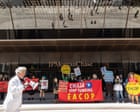
JPMorgan Chase and 64 other global banks committed $906 billion to fossil fuel financing in 2025, according to a coalition of environmental groups. The figure represents an $64 billion increase from 2024, a nearly 8% surge that researchers describe as incompatible with global climate commitments.
The report identifies the world's 65 largest banks as financing decisions at odds with the Paris Agreement and other international temperature-restraint pledges. JPMorgan Chase leads the group in total fossil fuel commitments. The financing locks in continued coal, oil, and gas extraction when atmospheric carbon dioxide concentrations already exceed pre-industrial levels by 50%.
Environmental organizations compiling the analysis argue the lending patterns demonstrate institutional resistance to the energy transition despite scientific consensus on climate risks. Banks justify fossil fuel investment through various rationales: transition financing arguments, fiduciary duty to shareholders, and claims that capital flows to cleaner projects represent a longer-term strategy. Yet the data shows renewable energy investments, while growing, receive substantially less capital than fossil fuels.
The $906 billion committed in 2025 funds exploration, extraction, processing, and transportation infrastructure. This capital facilitates production decisions for decades ahead. Committed financing for fossil fuels exceeds investment in renewable energy by multiples when analyzing major bank portfolios.
Scientists with the Intergovernmental Panel on Climate Change determined that limiting warming to 1.5 degrees Celsius requires rapid emissions reductions starting immediately. Current banking practices extend extraction economics and delay the transition timelines needed to meet stated climate goals.
The report arrives as global average temperatures continue rising. 2024 ranked as the warmest year on record globally. Banks face increasing regulatory pressure from central banks integrating climate risk into financial stability frameworks, though enforcement remains inconsistent across jurisdictions.
Environmental coalitions have named specific institutions receiving the most scrutiny. JPMor