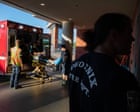
A new study projects that heat-related hospitalizations across the United States will more than double by 2040, rising from approximately 109,000 annual cases to 237,000 cases. Annual healthcare costs for treating heat-related conditions will exceed $1 billion, researchers found.
The study underscores the country's inadequate preparation for intensifying heat waves. Over the next 15 years, emergency departments and hospitals will face surging patient volumes tied directly to extreme temperatures, straining medical infrastructure already stretched by competing demands.
Heat-related illness hospitalizations reflect broader physiological impacts of rising temperatures. Extreme heat triggers dehydration, heat exhaustion, heat stroke, and exacerbates existing cardiovascular and respiratory conditions. Vulnerable populations including older adults, outdoor workers, low-income communities, and people with chronic illnesses face disproportionate risk.
The doubling projection aligns with climate modeling that shows continued warming across North America. Recent summers have delivered record-breaking temperatures. Without aggressive emissions reductions, these patterns intensify.
Healthcare systems confront a compounding challenge. Hospital capacity planning, staff training for heat-illness protocols, and equipment allocation must adapt to dramatically higher patient volumes. The $1 billion annual cost figure reflects only direct medical treatment, excluding lost productivity, disability, and indirect economic impacts.
Public health agencies have begun issuing heat warnings and opening cooling centers, but these interventions reach only portions of vulnerable populations. Many communities lack sufficient cooling infrastructure. Rural areas and regions with aging populations face particular gaps in preparedness.
The research highlights a fundamental mismatch between current healthcare investment and projected climate impacts. Federal agencies and state health departments must accelerate planning for heat-related surge capacity now rather than waiting for crises to force reactive responses. This includes retrofitting hospitals for extreme heat, training medical staff, establishing clear protocols for mass heat-illness events, and investing in community cooling