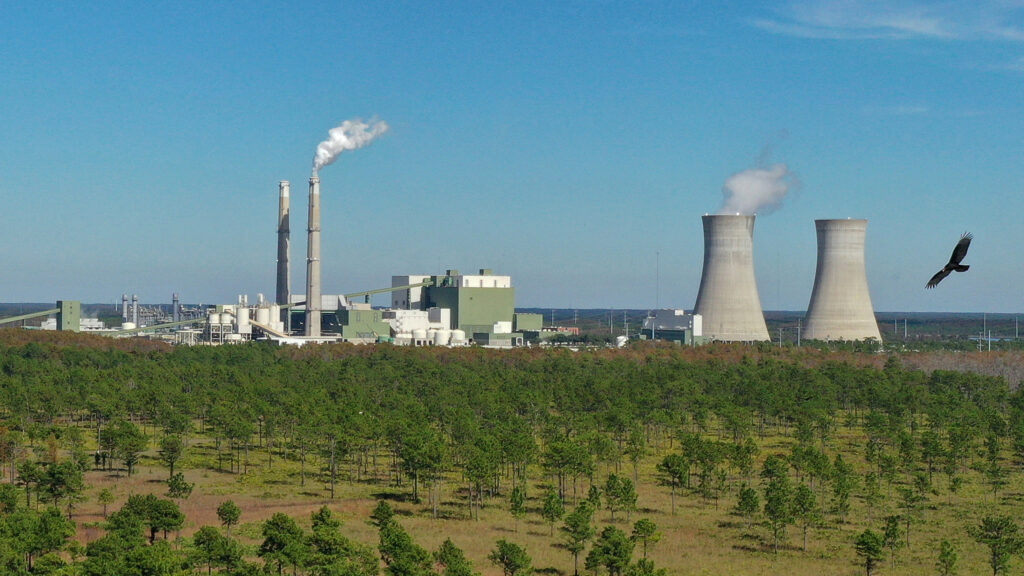
The Trump administration issued an emergency order forcing a Florida coal-fired power plant to continue operating, blocking the Orlando Utilities Commission's scheduled retirement of the facility in 2025. OUC had planned to shutter the coal plant as part of its transition toward renewable energy, with a stated goal of reaching net zero emissions by 2050.
The order disrupts OUC's established decarbonization strategy, which prioritized solar and other renewable sources to replace coal generation. OUC ranks as the second-largest utility in the region, making this intervention a significant setback for Florida's renewable energy transition.
The emergency order represents the Trump administration's broader effort to sustain coal operations amid growing national momentum toward clean energy. Federal policy now blocks what would have been a routine utility retirement, forcing the plant to burn coal and emit carbon dioxide indefinitely rather than transitioning to zero-carbon generation.
Coal plants nationwide have faced accelerating retirements over the past decade as solar and wind costs declined, battery storage improved, and states strengthened climate commitments. Florida specifically has aggressive renewable targets, with utilities pursuing solar buildout across the state. Forcing coal plant operation contradicts both utility planning and market economics that favor renewables.
The emergency order raises questions about federal authority to override state and local utility decisions. OUC operates as a municipal utility serving the Orlando area, giving it primary responsibility for power generation planning. The intervention signals the administration's willingness to use executive power to sustain fossil fuel infrastructure against utility plans and shareholder interests in cleaner generation.
The order's duration and scope remain unclear from available reporting. It affects emissions reduction timelines for central Florida while committing continued coal consumption at a facility utilities had deemed economically and operationally obsolete within five years.