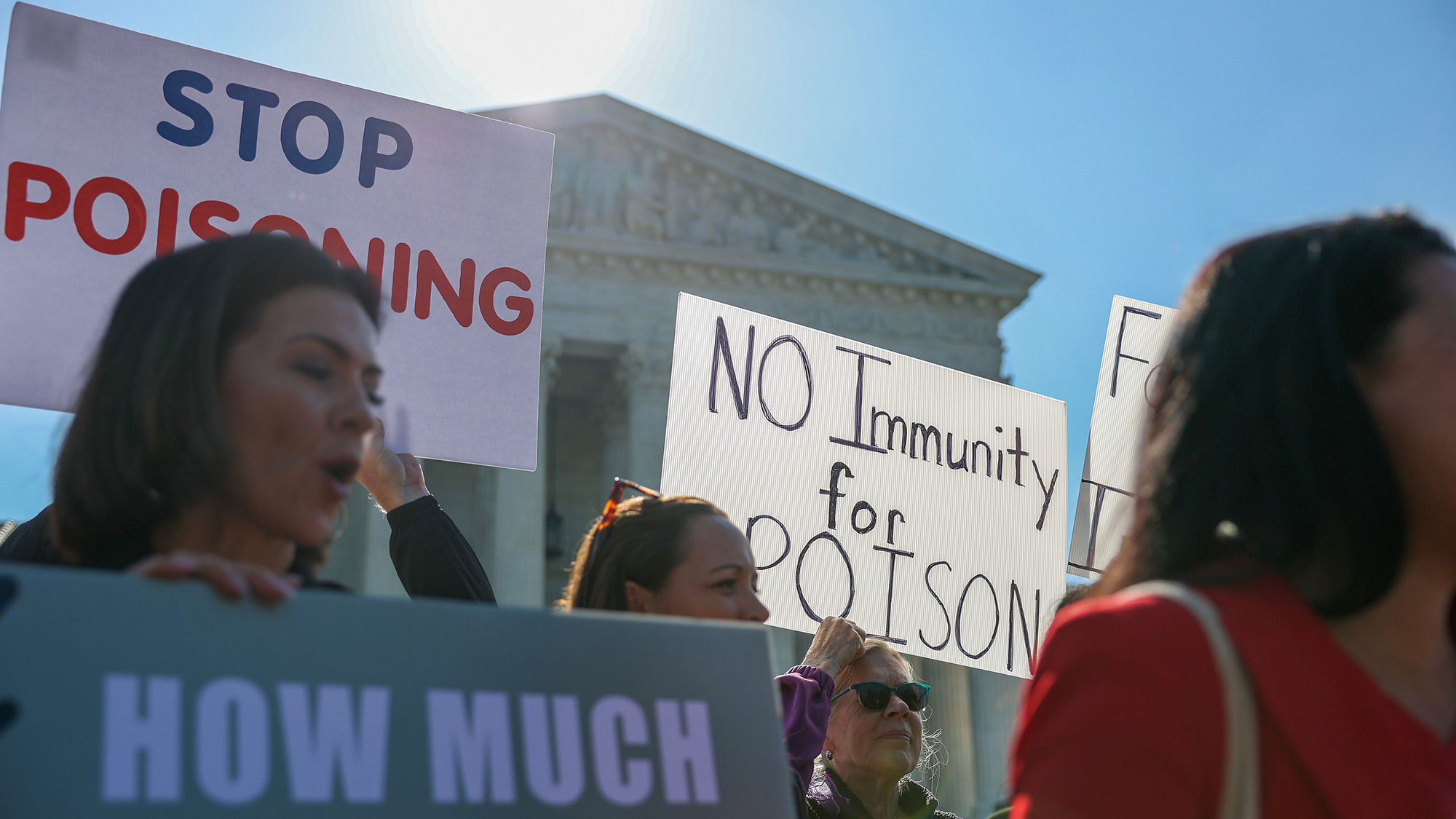
Pesticide manufacturers are advancing legislation across multiple states that would shield them from lawsuits, even when their products cause documented harm to farmers and families. These industry-backed "immunity laws" restrict the legal recourse available to people injured by pesticide exposure.
The legislation typically prevents courts from hearing cases against pesticide makers if the products were used according to label instructions, regardless of independent scientific evidence about health impacts. This effectively transfers liability away from corporations and onto individual users, who bear the burden of proving negligence despite often lacking resources to challenge major manufacturers.
Environmental and public health advocates view these laws as dangerous precedent. Federal pesticide regulation through the Environmental Protection Agency sets baseline safety standards, but those standards have faced criticism from researchers who argue they underestimate long-term health risks, particularly for agricultural workers and rural communities with chronic exposure. State-level immunity laws would eliminate an important backstop: the ability to challenge inadequate federal protections in court.
The push comes as pesticide-related litigation has grown. Hundreds of lawsuits target glyphosate (the active ingredient in Roundup), with some juries awarding substantial damages to plaintiffs with non-Hodgkin's lymphoma. Herbicide manufacturers have also faced legal action over damage to non-target crops and aquatic ecosystems.
Industry groups argue immunity laws reduce frivolous litigation and protect farmers from unwarranted claims. They contend that EPA approval should preempt state court systems from second-guessing federal decisions.
However, regulatory history shows federal approval does not guarantee safety. The EPA has repeatedly approved chemicals later linked to serious health problems, from DDT to atrazine. State courts have served as venues where individuals could challenge those approvals when new evidence emerged.
Experts warn these laws could create a accountability vacuum. If manufacturers face no legal consequences for harm caused by their products, incentives to conduct rigorous safety