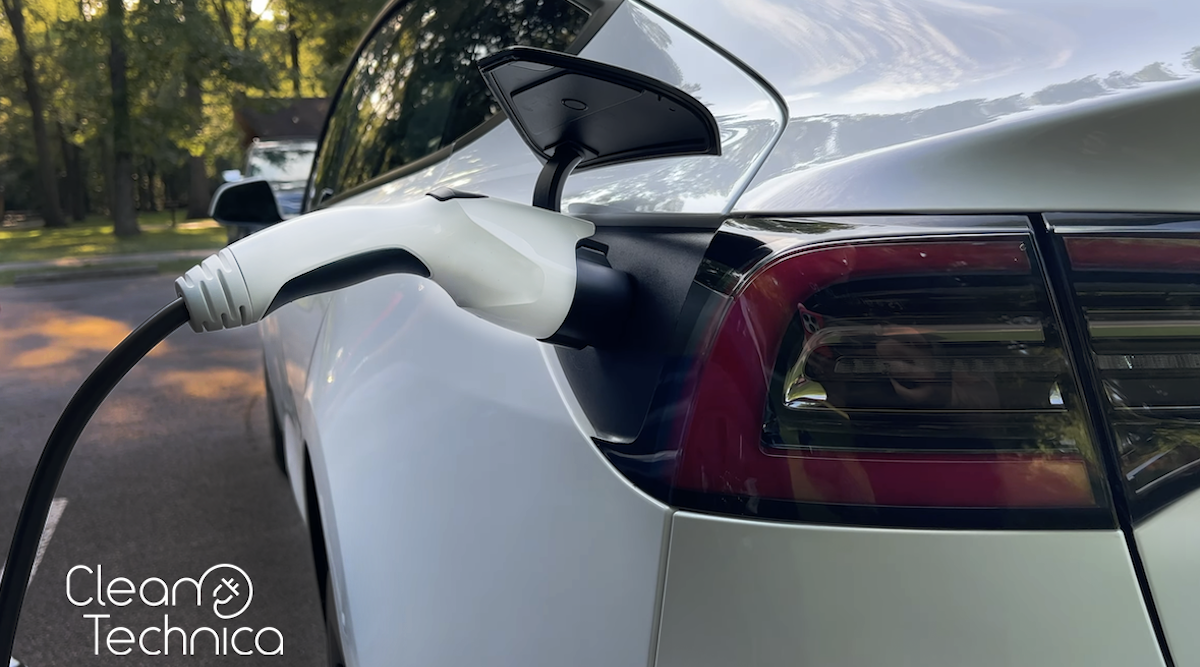
Electric vehicle adoption accelerates in the San Francisco Bay Area Peninsula as drivers align EV ownership with the region's clean electricity grid. The area supplies a higher proportion of renewable energy compared to the national average, making EV charging substantially cleaner than gasoline combustion.
Bay Area residents switching to electric vehicles reduce their transportation emissions significantly. The region's grid draws power from solar, wind, and hydroelectric sources managed by utilities including Pacific Gas and Electric Company and the Silicon Valley Power Authority. This mix means charging an EV overnight or during peak solar hours delivers near-zero tailpipe emissions.
Economic factors compound the environmental case. Rising fuel prices and vehicle maintenance costs favor EVs, which operate more cheaply per mile than gas vehicles. Battery prices have fallen steadily, narrowing the purchase price gap. Drivers also access federal tax credits up to $7,500 and California state incentives that reduce upfront costs.
Infrastructure expansion supports the transition. Charging networks across the Peninsula include Level 2 chargers at workplaces and public stations, plus DC fast chargers along major corridors. Home charging remains the predominant method for Peninsula residents with access to private parking, cutting charging costs by roughly 50 percent compared to public stations.
The practical reality shows that EV owners in the Bay Area Peninsula operate vehicles powered primarily by renewables. As California's grid continues decarbonizing, this advantage compounds. By 2030, state regulators project the grid will supply 60 percent renewable energy. Each EV charged represents avoided emissions from the transportation sector, currently responsible for roughly 27 percent of California's greenhouse gas output.
For prospective buyers, the equation favors electric. Rising gas prices, declining EV costs, abundant charging infrastructure, and a clean regional grid converge to make electric vehicles the economic and environmental choice for Peninsula drivers. The transition reflects broader shifts in California's energy economy.
CATEGORY