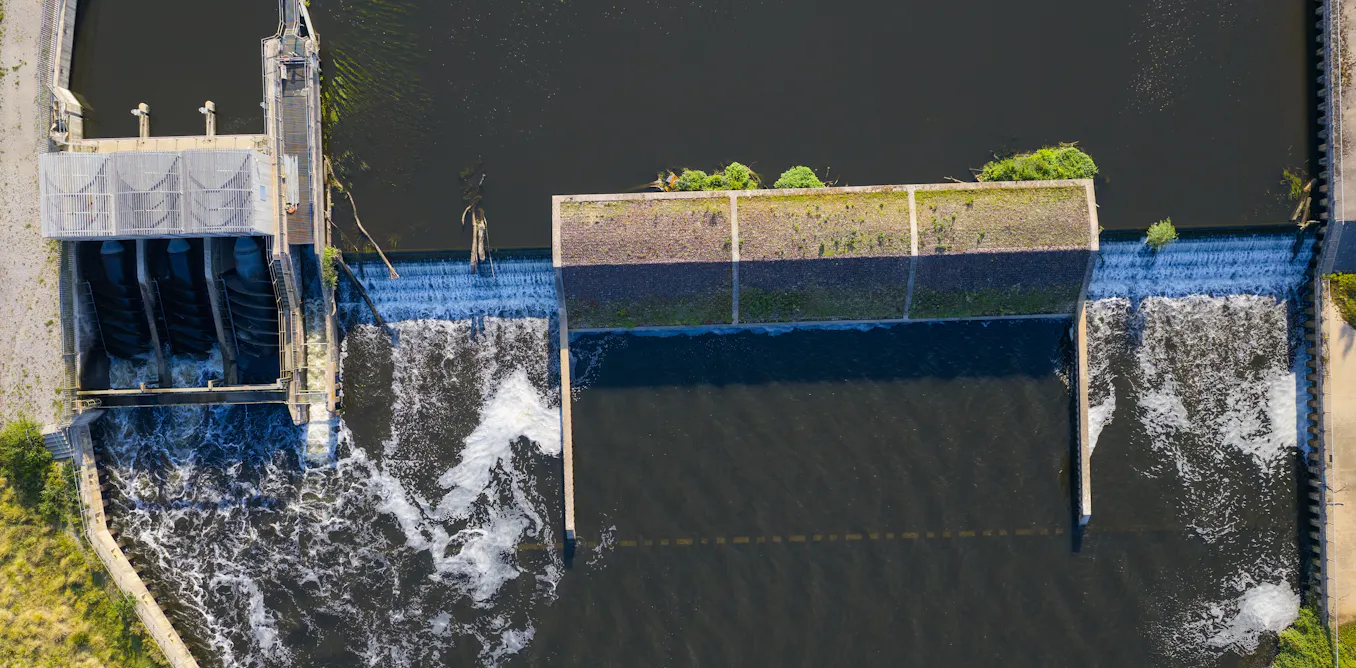
Dam removal projects across North America and Europe are restoring fish passage and reconnecting fragmented river ecosystems, allowing native species to recolonize upstream habitats. But research increasingly documents an unintended consequence: these same restored corridors enable invasive species to spread at accelerated rates throughout river networks.
When dams fragment rivers, they inadvertently create barriers that slow invasive species dispersal. Once removed, that constraint vanishes. Studies from the Pacific Northwest and European rivers show that non-native fish, mollusks, and aquatic plants exploit restored connectivity with the same efficiency as native species, often faster due to their competitive advantages.
The Elwha River restoration in Washington State provides a stark example. After dam removal began in 2011, researchers documented rapid upstream expansion of invasive smallmouth bass and brook trout into previously inaccessible habitat. Native Chinook salmon, while benefiting from spawning grounds, now face intensified predation from these established invasives.
River managers now face a genuine dilemma. Blocking dam removal to prevent invasive spread would sacrifice ecological restoration benefits and native species recovery. Proceeding without mitigation allows invasives to establish across larger areas. Some agencies employ targeted removal of invasive species ahead of dam removal, deploying electrofishing and chemical treatments in upstream reaches before restoring connectivity. Others use selective weirs or screens to permit native passage while deterring invasives, though these interventions remain costly and imperfect.
The problem extends beyond fish. Zebra mussels, curly-leaf pondweed, and other aquatic invasives move readily through reconnected systems. Once established in a new reach, eradicating these species becomes exponentially more difficult and expensive.
Successful approaches combine dam removal with robust invasive species monitoring and rapid response protocols. The Penobscot River restoration in Maine integrated pre-removal