Arctic research faces a fundamental pivot. As geopolitical competition and resource extraction intensify across the polar region, researchers confront a pressing question: whose knowledge matters, and who benefits from Arctic science.
The current research model often marginalizes Indigenous communities despite their deep ecological understanding and millennia of Arctic residence. Western scientific institutions dominate funding, methodology, and publication, frequently extracting data while leaving local populations with limited voice in how findings are used or implemented.
This imbalance carries real consequences. Traditional ecological knowledge informs sustainable resource management practices proven effective over centuries. Yet academic papers and policy recommendations frequently overlook or undervalue these systems, favoring models developed in temperate laboratories. Meanwhile, extractive industries leverage Western science to justify expansion into Arctic territories, often against the interests of people actually living there.
Researchers now advocate for decolonizing Arctic science. This means incorporating Indigenous leadership in study design, ensuring communities control data access, and recognizing traditional knowledge as legitimate evidence rather than supplementary anecdote. Some institutions have begun establishing co-management agreements where Arctic residents shape research priorities and outcomes.
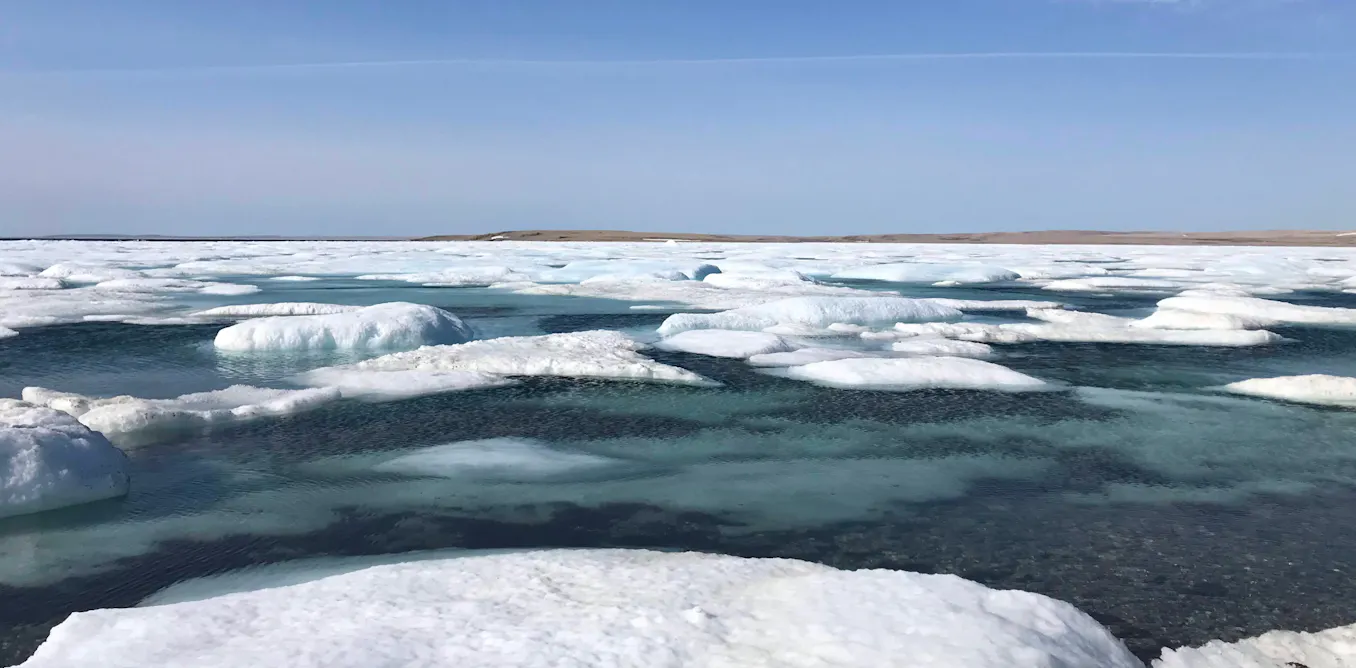
The stakes sharpen with climate change. Arctic warming occurs roughly twice as fast as global average temperatures, forcing rapid ecological and social shifts. Communities need actionable science addressing their actual vulnerabilities, not abstract climate models serving distant policy makers. Local residents understand ice conditions, wildlife patterns, and ecosystem thresholds through direct experience. Integrating that expertise produces research more relevant and more reliable.
Geopolitical interest complicates this further. Governments and corporations pursue Arctic mineral extraction and shipping routes as ice retreats. Research funding increasingly reflects these interests rather than community needs. Some studies serve mapping exercises for resource extraction rather than supporting sustainable livelihoods.
Effective Arctic science requires genuine partnership. Universities and funding agencies must redistribute power, compensate Indigenous knowledge holders fairly, and commit to research agendas set collaboratively. Communities should