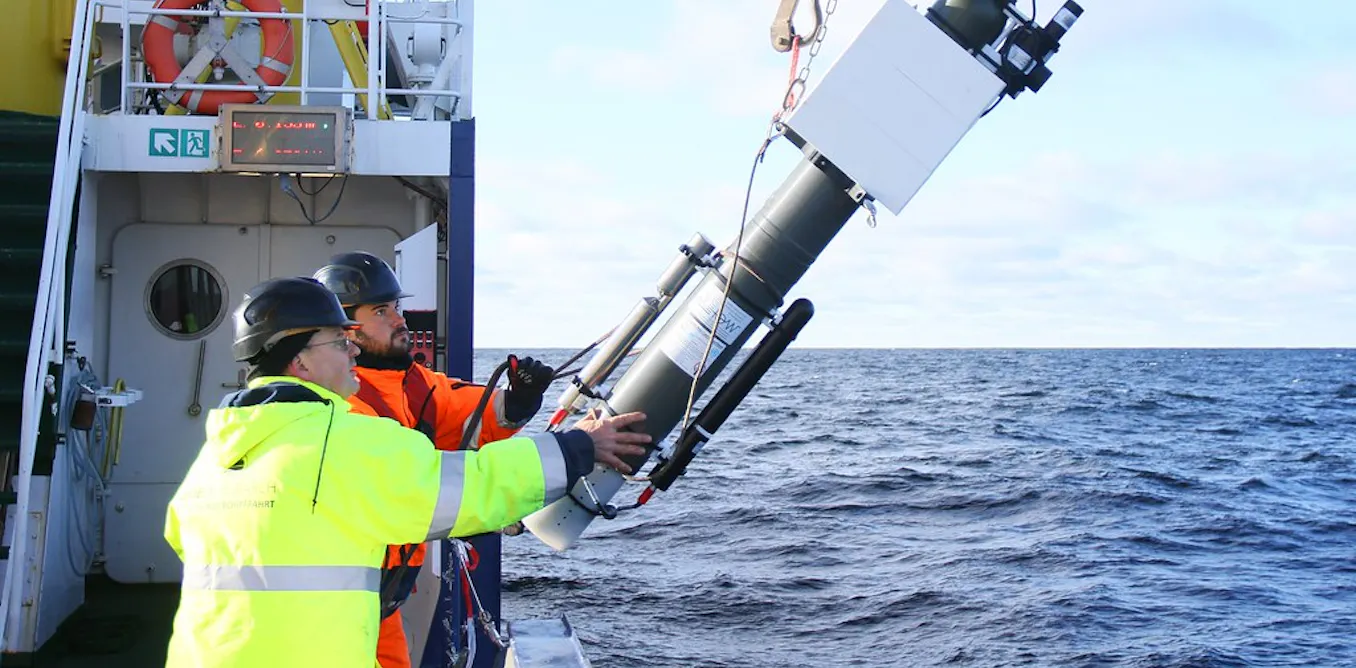
The United States has begun withdrawing funding from ocean monitoring networks, leaving Europe and Asia to shoulder responsibility for tracking deep-sea ecosystems. This defunding threatens global surveillance of marine health at a critical moment for ocean science.
Ocean monitoring systems collect data on temperature, salinity, biodiversity, and chemical composition across vast stretches of the world's waters. These networks feed into climate models, fisheries management, and ecosystem assessments. Without consistent funding and participation from major powers, critical gaps emerge in our understanding of ocean conditions.
The blue economy, which depends on healthy oceans for fisheries, shipping, renewable energy, and tourism, relies on this monitoring data. Without it, managers cannot track fish stock changes, detect harmful algal blooms, or monitor the impacts of warming waters on marine life. European and Asian institutions now carry the financial and logistical burden of maintaining these systems, stretching already limited resources.
Deep-sea ecosystems remain poorly understood despite their importance to global biogeochemical cycles and carbon storage. Temperature rises and oxygen depletion in the deep ocean directly affect surface productivity and weather patterns. Monitoring networks detect these shifts before they cascade into visible problems.
The withdrawal of US funding creates political and technical fragmentation. Different nations operate different instruments with different standards, making data synthesis harder. Argo floats, which measure ocean temperatures and salinity, depend on international coordination. Satellite systems track sea surface conditions, but calibration requires global cooperation.
Scientists warn that losing institutional knowledge and continuous observation will damage our ability to detect ecosystem shifts. Ocean monitoring takes years to show trends. Gaps in the data record destroy the continuity needed to separate natural variability from human-caused change.
European and Asian agencies now face decisions about what monitoring to maintain and what to cut. Some systems will likely close, creating blind spots in regions critical to global climate regulation. The World Ocean Observation System, which coordinates these efforts