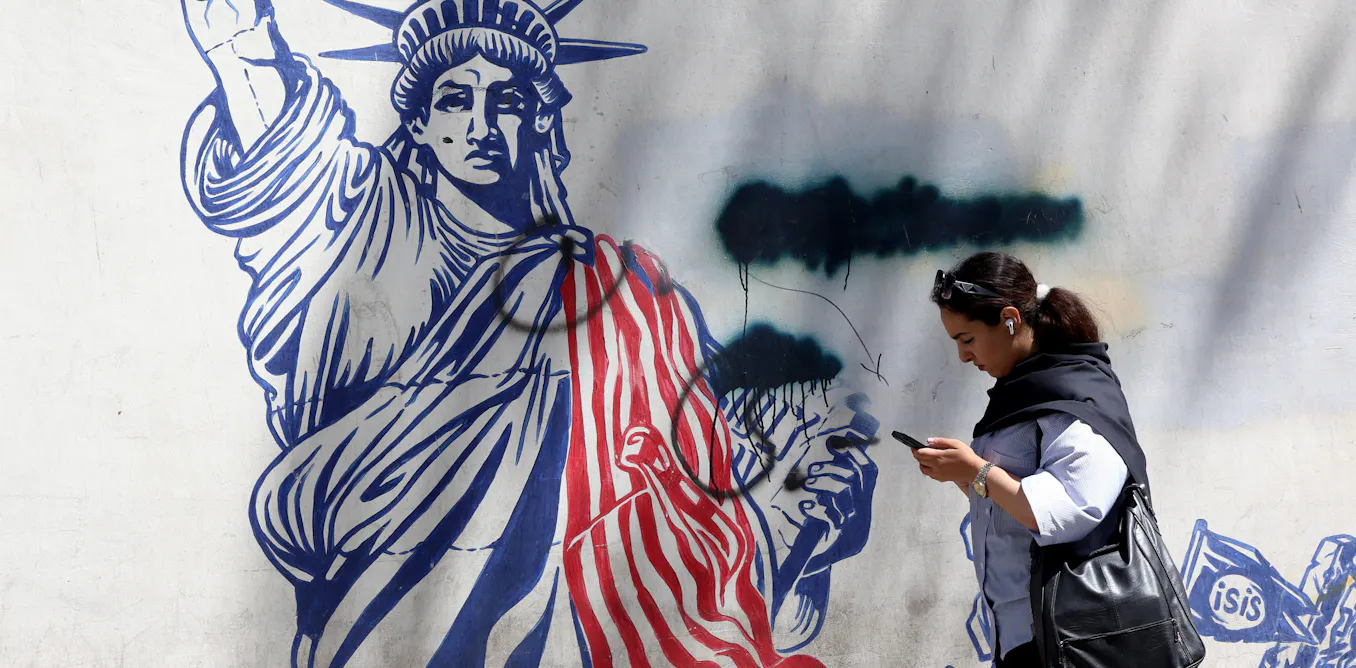
# Iran's Nuclear Brinkmanship: Historical Pattern Meets Current Standoff
Iran's Islamic Revolutionary regime has a documented strategy of prolonging high-stakes negotiations to extract concessions and project strength. During the 444-day hostage crisis of 1979-1981, the Iranian government deliberately extended the ordeal to maximize humiliation of the United States and consolidate domestic revolutionary credibility. Analysts now observe similar tactics emerging in current nuclear negotiations under the Trump administration.
The Iranian regime, institutionally designed for durability through decentralized decision-making and competing power centers, resists rapid capitulation in diplomatic standoffs. This structural resilience complicates negotiations because no single decision-maker can bind the entire system to terms quickly.
Current nuclear talks reflect this pattern. Iran has consistently walked back concessions, restarted uranium enrichment, and escalated its technical nuclear program while maintaining negotiating channels. The regime uses delay tactics to signal resolve to domestic constituencies while testing American patience and resolve.
Trump administration officials have pursued a maximum pressure strategy combining sanctions with threats of military action. History suggests this approach alone will not accelerate Iranian compromise. The 1979 hostage crisis demonstrated that external pressure, including economic sanctions and diplomatic isolation, paradoxically strengthened hardliners within Iran's government rather than weakening the regime's negotiating hand.
Experts note that achieving a nuclear agreement requires American willingness to offer meaningful sanctions relief and security guarantees. The previous Joint Comprehensive Plan of Action, negotiated in 2015, included such trade-offs before the Trump administration withdrew in 2018. Reimposing maximum pressure without comparable incentives on the Iranian side creates conditions for indefinite stalemate.
Iran's calculation appears straightforward. If the Trump administration remains unwilling to compromise, prolonged negotiations serve Iranian interests by delaying potential military strikes, allowing the nuclear program to advance, and demonst