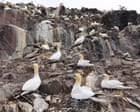
Animal welfare organizations have called for a phased end to the annual guga hunt on a remote Scottish island, urging dialogue with local Hebridean communities rather than sudden prohibition.
OneKind and the League Against Cruel Sports characterize the killing of infant gannets, known as guga, as inhumane. The practice occurs once yearly on the island and has continued for at least 400 years. Hunters kill the young seabirds by hand, a method both groups say causes unnecessary suffering.
The organizations propose a gradual phase-out conducted in partnership with islanders who view the hunt differently. Local communities defend the practice as a sustainable food source and integral cultural tradition. They argue the hunt remains economically and socially important to remote island populations with limited livelihood options.
The guga hunt occurs on Sula Sgeir, located north of the Isle of Lewis in the Outer Hebrides. Each summer, hunters travel to the uninhabited island to harvest several hundred chicks. The meat provides protein for island families and represents a link to ancestral practices spanning centuries.
Animal welfare advocates contend that modern slaughter methods exist that minimize pain and distress. They argue these alternatives should replace the current hand-killing technique, which involves striking birds on the head.
Conservation status of the northern gannet population remains stable, with current estimates showing over 400,000 breeding birds across the Atlantic. The guga hunt removes a tiny fraction of annual chick production, meaning population viability is not at stake.
The dispute reflects broader tensions between cultural preservation and evolving animal welfare standards. Campaigners acknowledge the hunt's deep roots and economic role in island life. Their proposal seeks compromise through engagement rather than enforcement, recognizing that outsider pressure alone has failed to change longstanding practices.
Local communities have previously resisted external attempts to end the hunt, viewing them as urban-