Wild rice in the Great Lakes region confronts mounting threats from climate change, pollution, and invasive species, but Native American tribes are leading restoration efforts grounded in traditional ecological knowledge.
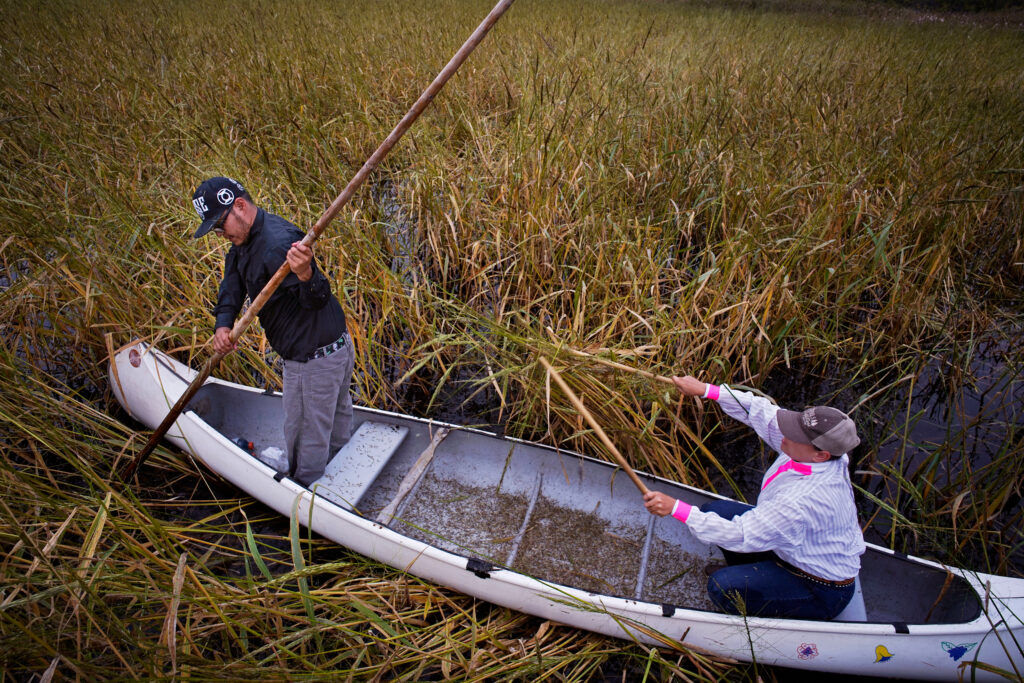
Bazile Minogiizhigaabo Panek of the Red Cliff Band of Lake Superior Chippewa learned rice harvesting as a child, pushing through shallow waters of northern Wisconsin wetlands. This practice represents centuries of Indigenous stewardship of ecosystems that sustain wild rice beds, a staple crop and cultural cornerstone for tribes across the Upper Midwest.
The plant now faces converging pressures. Warming water temperatures alter growing conditions in shallow lakes and rivers where wild rice thrives. Pollution from agricultural runoff and industrial activity degrades water quality. Invasive species outcompete native rice for nutrients and space. Water level fluctuations from dam operations and climate variability expose seedbeds or submerge young plants at critical growth stages.
Red Cliff Band and other tribes have responded by implementing restoration protocols that combine scientific monitoring with traditional management practices. These efforts include removing invasive species, restoring hydrology to historical conditions, and protecting spawning and growing grounds from further development. Tribal governments have asserted harvesting rights under treaties and expanded jurisdiction over water management decisions affecting their lands.
The stakes extend beyond cultural continuity. Wild rice supports waterfowl and fish populations throughout the Great Lakes ecosystem. Economic returns from sustainable harvesting support tribal communities. Scientific research shows that wetland ecosystems anchored by wild rice sequester carbon and filter pollutants from surface waters.
Federal agencies including the EPA and U.S. Fish and Wildlife Service have begun partnering with tribes on restoration initiatives, recognizing that Indigenous-led management produces measurable ecological gains. These collaborations challenge the historical exclusion of Native peoples from conservation decisions on their ancestral territories.
Panek's childhood experience now in