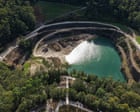
Sydney has converted a defunct quarry atop an extinct volcano into Hornsby Park, a new bushland reserve in the city's north. The site operated as a basalt quarry for decades before the land was reclaimed for public use.
The transformation represents a broader pattern in Australian cities. Industrial sites, particularly quarries and mining areas, increasingly become parks and green spaces once extraction ends. Hornsby Park joins other reclaimed landscapes across Sydney that prioritize habitat restoration and public access over continued resource extraction.
The park sits on volcanic geology shaped millions of years ago. The underlying basalt deposits drew quarrying operations throughout the 20th century. As demand shifted and reserves depleted, the site faced abandonment. Instead of remaining degraded, local planning and environmental groups advocated for conversion into bushland.
Hornsby Park now features native vegetation replanting, walking trails, and restored habitat for local species. The project involved removing quarry infrastructure and allowing natural regeneration on cleared land. Native understory plants and trees now establish across the former industrial footprint.
The park's existence reflects growing recognition that urban green space serves multiple functions. Bushland reserves absorb stormwater runoff, reduce urban heat, provide wildlife corridors, and offer recreation access. These ecosystem services reduce infrastructure costs while improving residents' health and wellbeing.
Guardian Australia's visit documented the site's current state and its historical context. The project demonstrates that cities need not preserve industrial scars permanently. Quarries, mines, and manufacturing zones occupy valuable urban land. When operations cease, these areas become opportunities for ecological restoration.
Sydney contains numerous such sites awaiting conversion. Former industrial areas represent untapped potential for habitat creation within built environments. The Hornsby Park model shows feasibility of transforming extractive landscapes into functioning ecosystems that serve both ecology and human recreation.
This pattern appears across Australia's major cities, where land reclamation projects