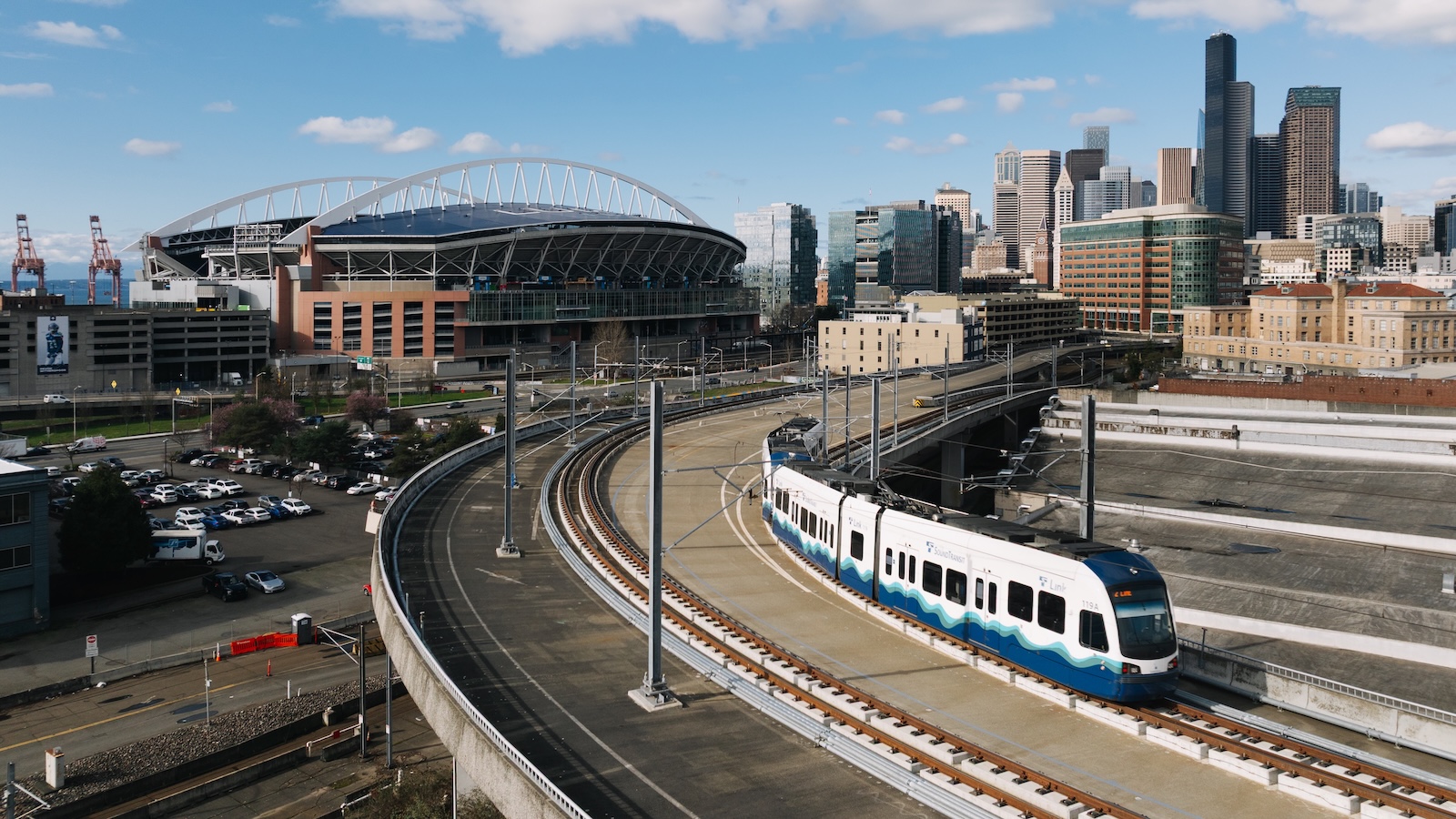
US host cities accelerated public transit upgrades in preparation for the 2026 World Cup, using the tournament as a catalyst to fund and fast-track infrastructure projects that might have taken decades without the sporting deadline.
Seattle, Atlanta, and other host municipalities leveraged World Cup requirements to justify investment in rail and bus systems. These improvements extended beyond tournament venues. Cities treated the event as an opportunity to advance existing infrastructure plans rather than build temporary facilities.
The approach differed markedly from previous World Cups, which often left host nations with abandoned stadiums and unused infrastructure. Tournament organizers and city planners explicitly designed the 2026 event to create lasting transit benefits for local residents.
Seattle accelerated its light rail expansion, connecting the airport to downtown and extending service to suburban areas. Atlanta prioritized bus rapid transit corridors and upgraded rail connections. Kansas City, Los Angeles, and other host cities similarly integrated World Cup preparations into long-term mobility strategies.
These projects address genuine transportation needs. Growing urban populations and emissions reduction targets make transit expansion essential regardless of World Cup hosting status. The tournament simply provided financial and political momentum to overcome typical delays.
Federal funding, state grants, and private investment combined to support the work. Cities negotiated with the US Soccer Federation and FIFA to ensure infrastructure served both tournament operations and permanent community needs. Transit agencies designed schedules and routes with post-tournament ridership patterns in mind.
Environmental benefits emerged alongside operational improvements. Enhanced public transit reduces car dependency and associated carbon emissions in major metropolitan areas. Each completed rail line or bus corridor supports broader climate goals.
Planners acknowledged risks. Construction delays, cost overruns, and changing priorities remain common in infrastructure projects. Some improvements faced skepticism about their actual use after the tournament ended.
However, the World Cup model demonstrated that major sporting events need not generate waste. By aligning tournament requirements with existing transportation needs, host cities created infrastructure that serves residents for