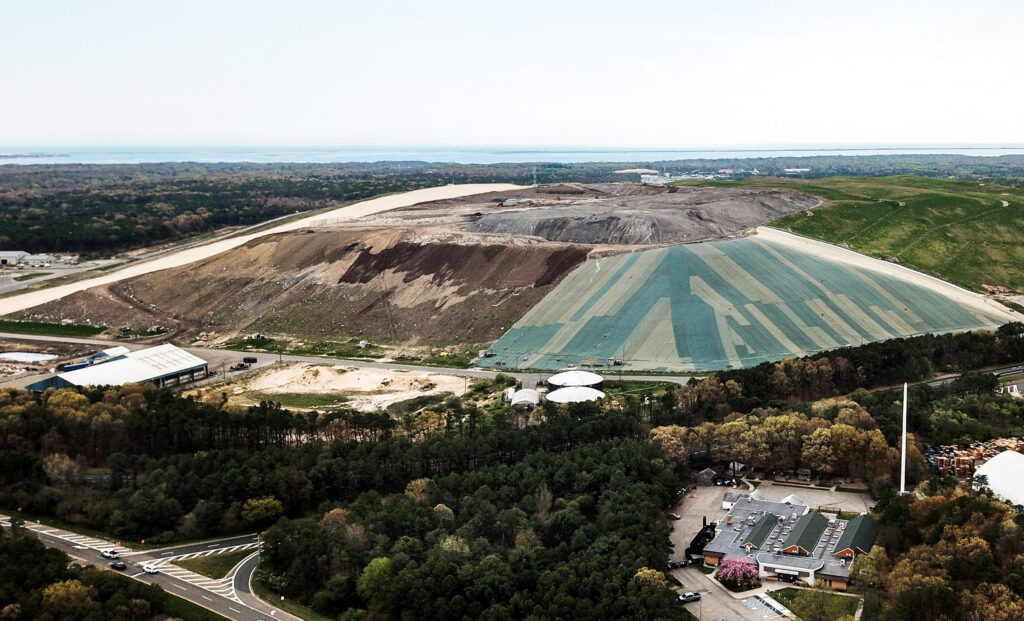
Residents of Brookhaven, Long Island confronted town officials in late March over groundwater contamination spreading from a nearby landfill beneath their community. The packed town hall meeting revealed mounting frustration with the facility's operations and the pace of remediation efforts.
Groundwater plumes from the landfill have migrated into residential areas, raising health concerns for families relying on well water. The contamination underscores a widespread problem across Long Island, where aging landfills and waste facilities pose persistent threats to the aquifer that supplies drinking water to millions of residents.
Brookhaven faces particular vulnerability because the region's shallow water table and sandy soil create ideal conditions for pollutants to migrate quickly toward underground supplies. Landfill leachate, containing nitrogen compounds, volatile organic compounds, and heavy metals, has been documented moving through the shallow aquifer at rates exceeding typical groundwater flow patterns.
The New York Department of Environmental Conservation oversees landfill operations and contamination remediation in the state. Residents demanded accelerated testing, expanded contamination mapping, and stricter monitoring protocols. Some speakers called for the landfill's closure or operational restrictions to prevent further pollution migration.
The situation reflects a broader tension across the region. Long Island's waste disposal infrastructure relies heavily on aging facilities designed and built decades before modern environmental protections existed. Many landfills predate comprehensive monitoring requirements and groundwater protection standards now mandated under federal and state law.
Brookhaven's community response demonstrates escalating public pressure on local governments to address legacy pollution. The town must balance managing regional waste streams with protecting public water supplies. Residents emphasized that remediation timelines cannot extend indefinitely while contamination spreads.
Engineering solutions exist, from pump-and-treat systems to enhanced monitoring networks, but implementation requires sustained funding and political will. The landfill situation crystallizes the challenge facing Long Island and