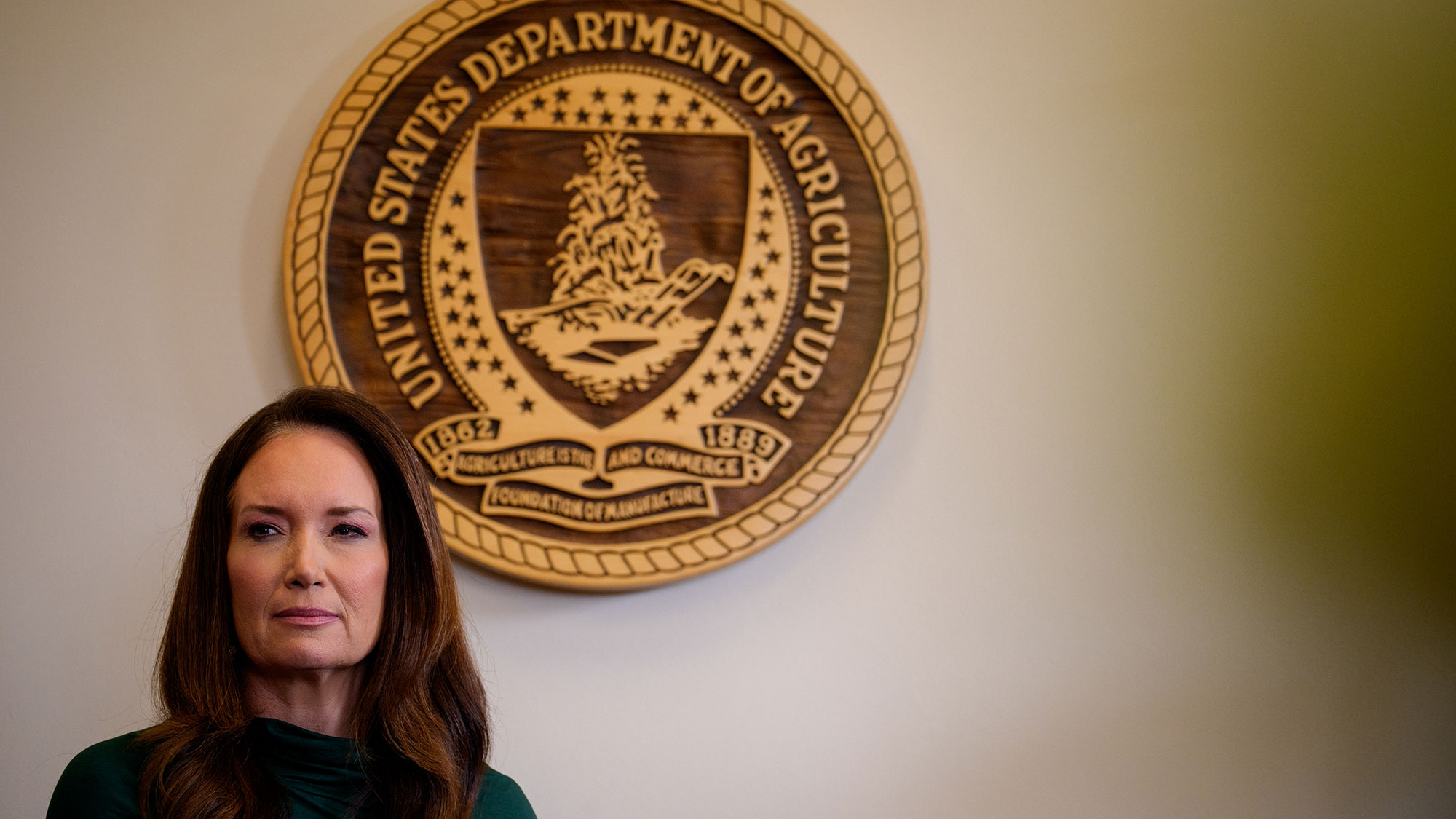
The USDA abruptly canceled $300 million in farm grants allocated to socially disadvantaged farmers, citing widespread fraud and misuse of funds. The agency cited examples including gazebo purchases, massage services, and a $20,000 budget line for pens as evidence of wasteful spending.
Agricultural advocacy groups and farmers who lost access to the program dispute the agency's characterization. They contend the USDA misrepresented ordinary farm equipment and facility expenditures as frivolous spending. A gazebo, they argue, serves legitimate purposes on a working farm—shelter during equipment maintenance or market operations. Similarly, massage services may have been purchased as wellness benefits for employees, a standard business practice.
The grants, administered under programs supporting minority-owned and socially disadvantaged farms, represented critical funding streams for producers historically excluded from USDA lending and support. The sudden cancellation left many mid-sized operations without anticipated capital for equipment, land improvements, and operational costs.
The dispute raises questions about the USDA's evidentiary standard for funding decisions. Advocacy groups request the agency release the full audit data and itemized lists behind the fraud allegations. Without transparency, they contend, farmers cannot challenge specific findings or demonstrate the legitimacy of flagged purchases.
The $300 million represents roughly 10% of annual USDA grant funding to socially disadvantaged farmers. Agricultural economists warn the cuts may disproportionately harm Black and Latino farm operators, who rely more heavily on USDA grant programs than larger, established operations with access to private capital.
The USDA has not released comprehensive documentation supporting its fraud determinations. The agency declined Grist's requests for itemized expenditure lists and audit methodologies. Without public scrutiny of the evidence, the canceled grants remain contentious. Affected farmers and their advocates continue pressing the USDA for either reinstatement of funds