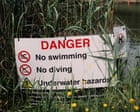
Government ministers have intervened in a dispute over swimming at Hampstead Heath's wildlife ponds, writing to the City of London Corporation to express concern about crowds entering restricted water during a recent heatwave. The row centers on swimmers ignoring "no swimming" signs and disturbing nesting birds in designated wildlife areas.
The incident reflects a deeper infrastructure challenge facing British cities. As summer temperatures rise, pressure on public water access intensifies. The Heath's ponds serve dual purposes: they provide cooling refuge during heat events and function as protected habitats for birds and aquatic species. These roles often conflict.
Ministers framed their intervention around wildlife protection, but the underlying issue encompasses water quality, public health, and equitable access to cooling spaces. Urban ponds require careful management. Untreated water carries bacterial and parasitic risks. During extreme heat, vulnerable populations need safe cooling options. Hampstead Heath's ponds cannot safely accommodate mass swimming without degrading both water quality and ecological function.
The government's concern signals recognition that ad-hoc swimming during crises reveals planning failures. British cities lack sufficient designated open-water swimming facilities. Public pools operate at capacity during heatwaves. River swimming programs remain limited and often restricted to specific locations.
Investment in dedicated swimming infrastructure and water safety education becomes essential as heat waves grow more frequent and intense. This requires funding for pool maintenance, river water quality testing, and public information campaigns about safe cooling alternatives.
The Hampstead Heath row exposes the tension between immediate survival needs during extreme heat and long-term environmental stewardship. The solution requires both expanded public access to clean, safe water and enhanced protection of wildlife habitats. Without investment in these dual objectives, similar conflicts will intensify as temperatures rise.