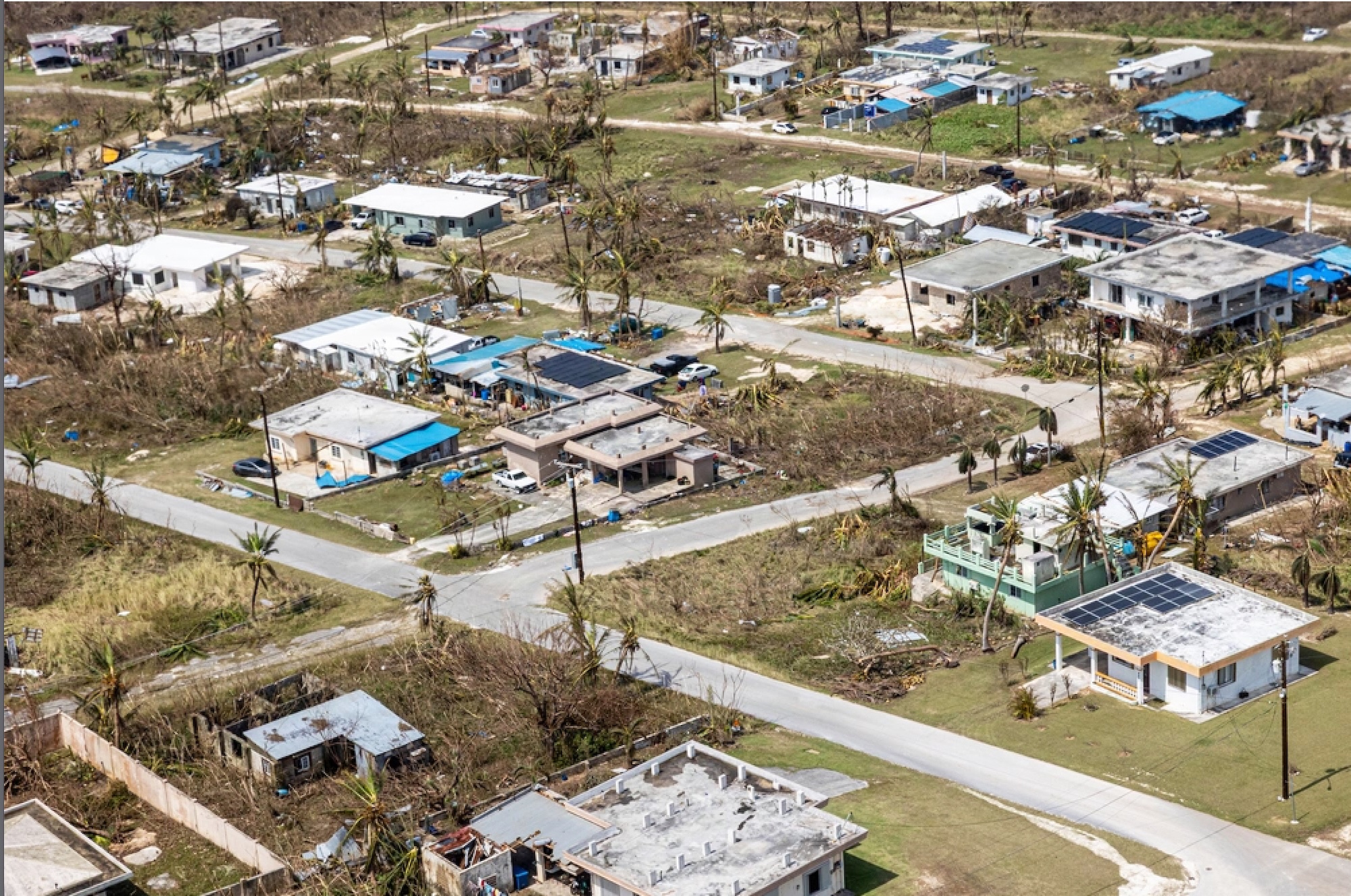
Tropical Cyclone Sinlaku devastated Pacific Island communities over a month ago, leaving 17 people dead and thousands without reliable shelter or power. The slow recovery reflects the vulnerability of island nations to extreme weather intensified by climate change.
Sinlaku struck the Western Pacific as the year's strongest storm, battering communities across multiple island territories. Damage assessments show widespread destruction of infrastructure, agriculture, and homes. Families continue living in temporary shelters while reconstruction efforts proceed at a pace constrained by limited resources and geographic isolation.
The storm's impact extends beyond immediate casualties. Islanders face long-term challenges restoring basic services. Electricity grids remain compromised in several areas. Water systems suffered contamination. Agricultural lands saw crops destroyed, threatening food security in regions already dependent on imports.
Pacific Island nations face compounding climate risks. Rising sea levels amplify storm surge damage. Warmer ocean temperatures fuel stronger cyclones. These communities contributed least to global emissions yet experience disproportionate consequences of climate change. Per capita, Pacific Islanders generate among the world's lowest carbon footprints while facing existential environmental threats.
International aid flows slowly to remote island communities. Logistical constraints limit delivery of reconstruction materials and equipment. Some territories lack sufficient local capacity to manage large-scale rebuilding projects independently.
The recovery timeline remains uncertain. Reconstruction timelines for cyclone-damaged infrastructure typically span months or years. Communities balance immediate needs like shelter and food with longer-term restoration of schools, hospitals, and economic infrastructure.
Sinlaku underscores a persistent reality for Pacific Islanders. Climate-driven storms arrive with increasing frequency and intensity. Each event strains limited disaster response systems and depletes reserves for development. Island governments call for accelerated global climate action and enhanced international climate finance to support adaptation and recovery infrastructure that can better withstand future storms.