Mining companies face the prospect of operating in the deep ocean without United Nations oversight. The International Seabed Authority, a UN body established by the 1982 UN Convention on the Law of the Sea, regulates mineral extraction in international waters beyond national jurisdiction. That authority has stalled on creating rules for deep-sea mining, leaving a regulatory vacuum.
Companies now explore the possibility of mining polymetallic nodules and cobalt-rich ferromanganese crusts from abyssal plains. These deposits contain nickel, cobalt, and manganese needed for electric vehicle batteries and renewable energy infrastructure. Demand for these metals will surge as global energy transitions accelerate.
The regulatory gap creates a perverse incentive. Without clear international rules, individual nations could sponsor mining operations in international waters with minimal environmental safeguards. This mirrors the tragedy of the commons, where shared resources face degradation when no single party bears responsibility.
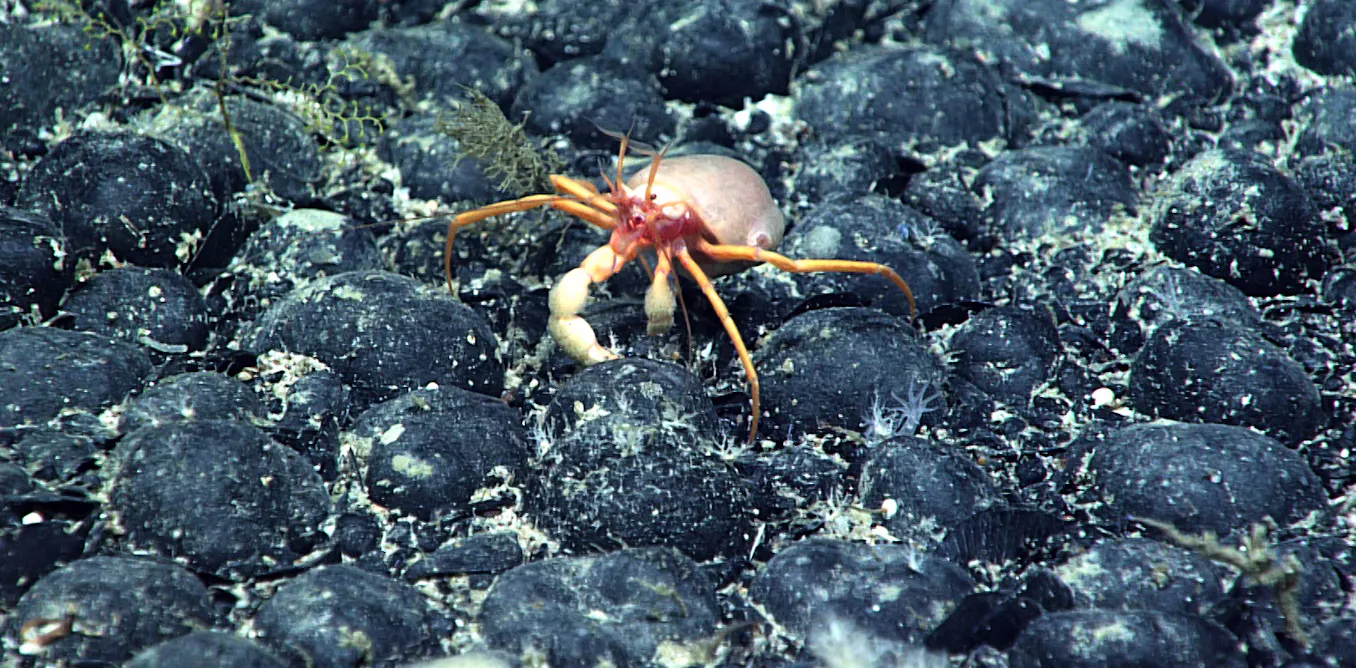
Deep-sea mining poses documented risks. Sediment plumes from nodule collection spread across hundreds of kilometers, potentially smothering benthic ecosystems that evolved in stable conditions for millennia. The International Seabed Authority's own environmental impact assessments flagged concerns about permanent habitat damage and species extinction in the abyssal zone. Recovery timelines remain unknown because so little is known about deep-sea biology.
Several nations including Nauru and small Pacific island states have pushed for expedited mining approvals, hoping licensing fees and royalties will fund climate adaptation. Conversely, environmental groups and scientific bodies warn that irreversible biodiversity loss contradicts conservation commitments under the Convention on Biological Diversity.
The standoff reflects conflicting priorities. Mineral scarcity could constrain clean energy deployment. Yet unchecked seabed mining exchanges one environmental crisis for another, trading terrestrial mining's known harms for oceanic risks that science cannot yet quantify. The