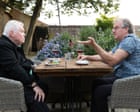
A retired IT manager and a biologist sat down to discuss climate policy, exposing a divide that runs through Britain's response to global heating. Don, 74, from Farnham, frames himself as neither a climate denier nor an activist. He accepts that warming occurs but contests the feasibility of net zero by 2050, calling the target unrealistic without spelling out an alternative timeline or policy framework.
The conversation centers on a fundamental disagreement about urgency and credibility. Don's position reflects a strain of climate skepticism that avoids outright denial while questioning whether decarbonization targets are achievable. This stance sidesteps the physics driving climate policy. The 2050 net zero commitment stems from IPCC science showing that limiting warming to 1.5 degrees Celsius above preindustrial levels requires global emissions to reach net zero between 2040 and 2060, depending on warming trajectory.
His counterpart, identified as a biologist with "far left" views, likely grounds arguments in scientific consensus. The divergence illustrates how climate debate in Britain often hinges less on whether warming is real and more on whether proposed solutions are worth the economic and social cost. Don's framing as "apolitical" while challenging net zero targets reveals the political nature of such claims. Dismissing 2050 targets as unrealistic without proposing achievable alternatives effectively opposes decarbonization policy without appearing ideological.
The Guardian's "Dining Across the Divide" series attempts to bridge polarization through direct conversation. Yet this pairing exposes the limits of dialogue when one party questions the deadline for action while the other operates from scientific necessity. Don's skepticism toward net zero by 2050 reflects a common British perspective that acknowledges climate change while resisting the transformative policies science demands. Without engagement on what timeline Don deems credible, or whether any