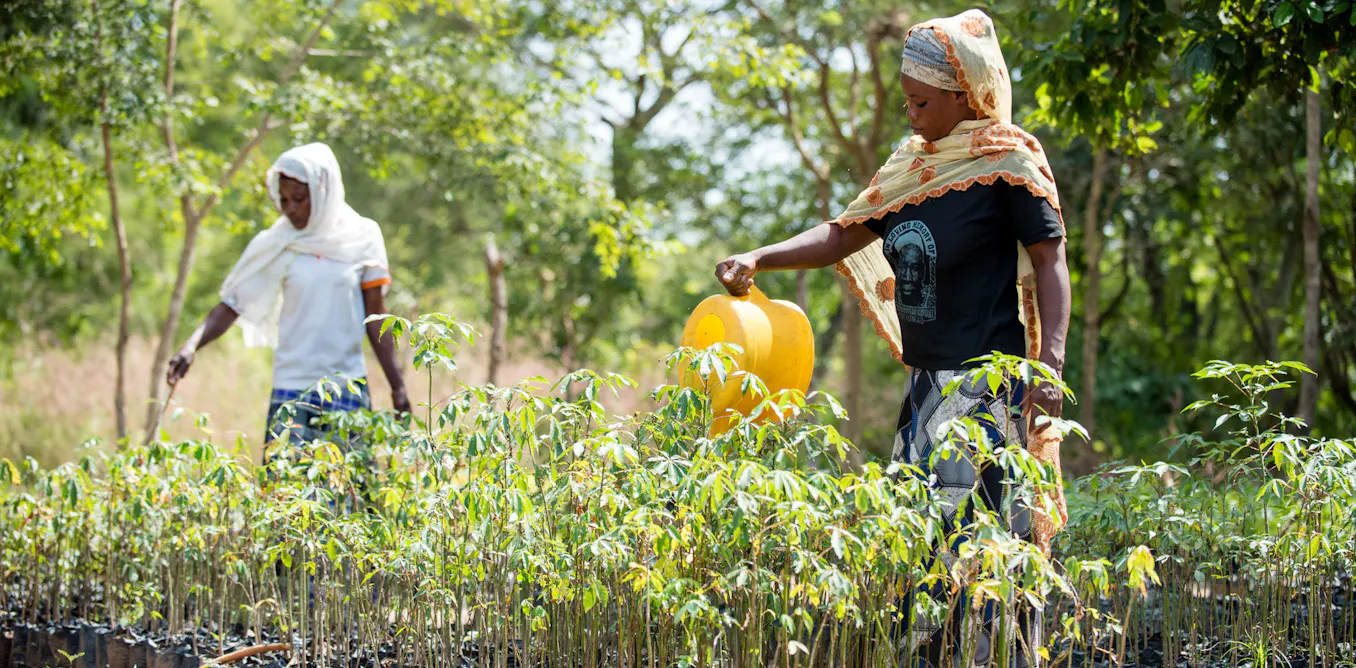
Ghana's community conservation areas have expanded significantly over the past decade, creating a model where rural communities manage forests and wildlife while generating income from sustainable practices. These areas now cover hundreds of thousands of hectares across the country, protecting biodiversity hotspots and providing alternatives to logging and poaching.
Yet the system faces critical infrastructure problems. Ghana's legal framework for community conservation remains outdated, relying on colonial-era forestry laws that don't adequately recognize community land rights or enforcement authority. Communities lack formal ownership protections and struggle to prevent illegal logging operations that often operate with impunity.
Funding represents the second major constraint. Community conservation areas rely heavily on international donor support and carbon finance programs. When external funding dries up, communities cannot sustain ranger patrols, equipment maintenance, or livelihood programs that discourage illegal resource extraction. Ghana's government budget allocation to community conservation remains minimal compared to protected areas under direct state management.
The disconnect between conservation progress and policy support is stark. Communities have demonstrated they can balance forest protection with economic needs through ecotourism, sustainable harvesting, and payment-for-ecosystem-services schemes. Yet they operate within legal uncertainty, unable to secure long-term revenue streams or exercise full management authority over their territories.
Ghana's parliament has drafted revised forestry legislation that would strengthen community tenure and management rights, but passage has stalled for years. Without statutory backing, community conservation areas remain vulnerable to government land appropriation and corporate concession grants that override local management decisions.
Experts argue Ghana must align its conservation policy with on-the-ground reality. Communities already manage significant forest estates effectively. Legislation that recognizes their rights and guarantees baseline funding for operations would cost less than expanding state-managed protected areas while delivering equivalent conservation outcomes. The current gap between practice and policy threatens to undermine a working model of conservation that serves both biodiversity and rural economies.