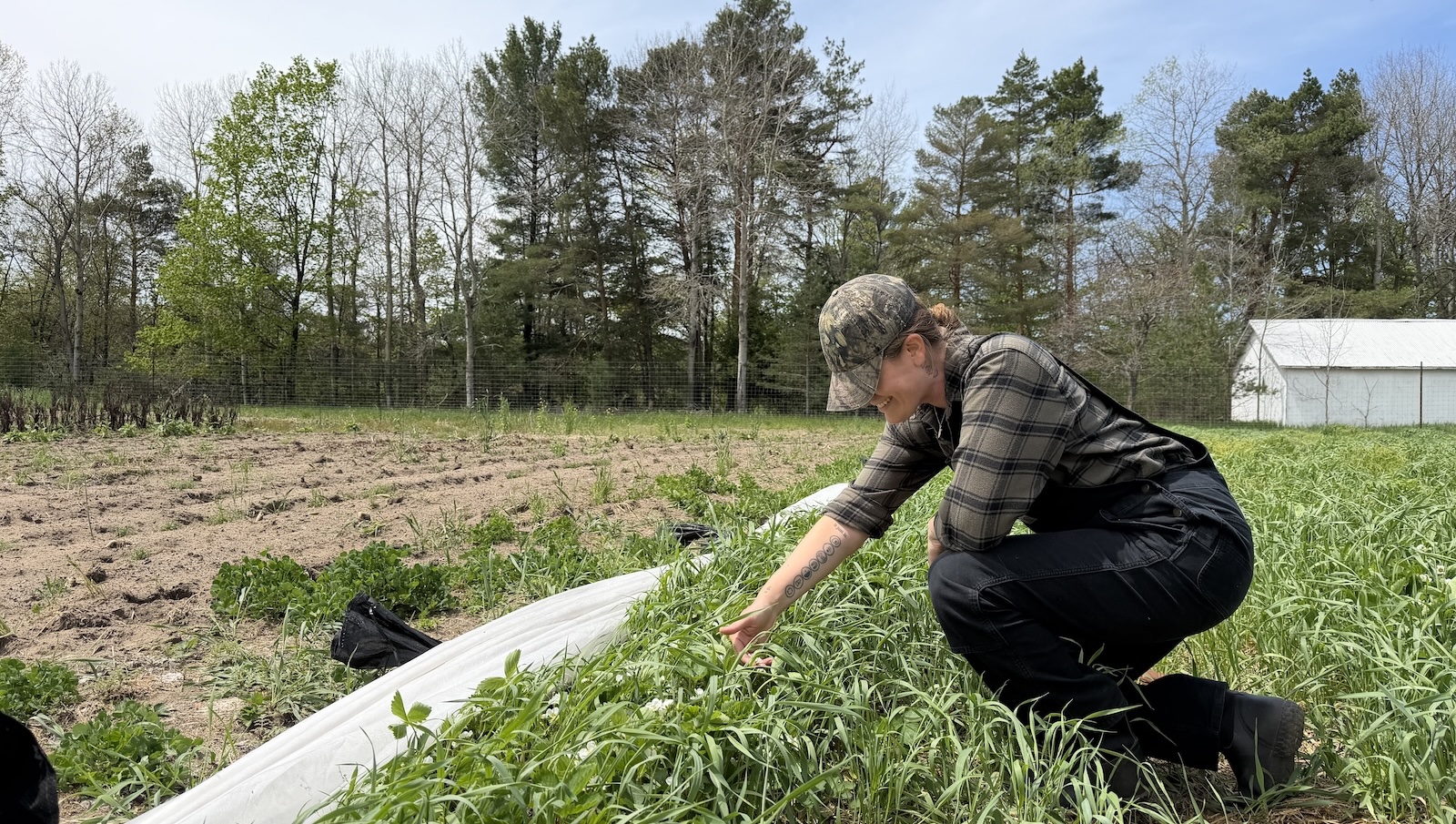
Michigan's Great Lakes Incubator Farm is removing a major barrier to entry for new farmers. The program provides aspiring agricultural producers with land, infrastructure, and hands-on training at minimal cost, allowing them to test farming viability before committing capital to their own operations.
Entry into farming requires substantial upfront investment. Land acquisition alone can cost hundreds of thousands of dollars, and equipment, seeds, and labor create additional financial obstacles. Beginning farmers often lack access to credit and face steep learning curves on crop selection, soil management, and market channels. These barriers have contributed to the steady decline of small and mid-size farms across the U.S. agricultural landscape.
The incubator model addresses these constraints directly. Participants at Great Lakes gain access to prepared soil, water systems, and equipment they otherwise could not afford. The program reduces risk by letting farmers trial crops and techniques on smaller plots before scaling up operations. This experimentation phase proves critical, particularly for farmers exploring specialty crops or regenerative practices that deviate from conventional commodity production.
Programs like this one operate against broader agricultural consolidation. Between 2012 and 2017, the U.S. lost roughly 34,000 farms. Remaining operations grew larger on average, concentrating production among fewer entities. Small and mid-size farms, which often employ more workers per acre and serve local and regional markets, have shrunk proportionally.
The incubator approach also supports environmental outcomes. New farmers entering the space frequently prioritize soil health, water conservation, and reduced chemical inputs. These practices align with climate mitigation goals and build resilience into food systems. Supporting diverse farm structures strengthens agricultural adaptation to changing weather patterns and market conditions.
As the student quoted in the article noted, farming operates from different logic than purely profit-driven enterprises. The desire to know where food originates and to steward land responsibly drives many beginning farmers. Incubator