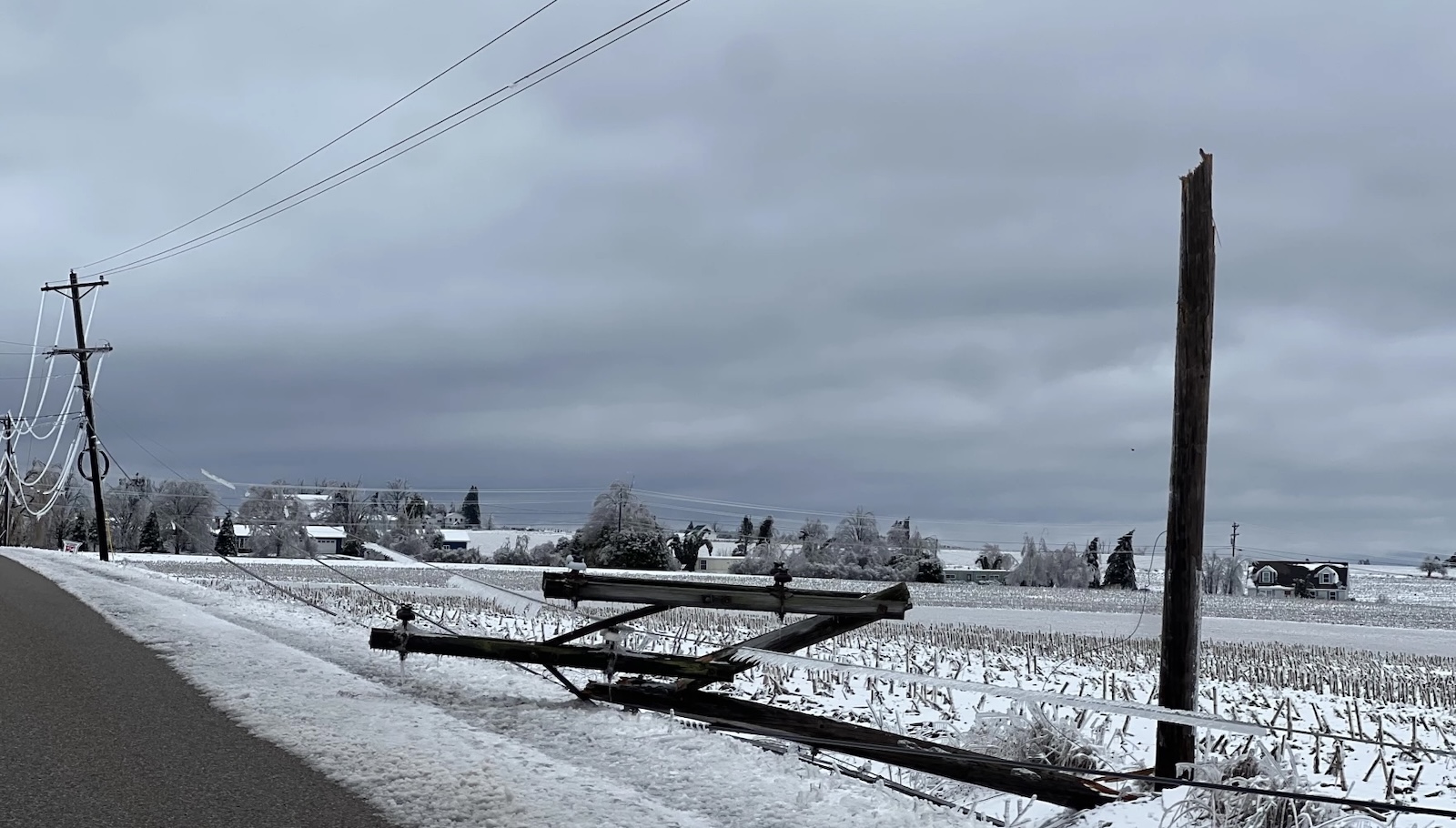
Northern Michigan utilities are weighing the costs of burying power lines after an ice storm left thousands without electricity for extended periods. Underground cables prove substantially more resilient to extreme weather than overhead lines, reducing outages from storms, heat waves, and wildfires. The trade-off remains prohibitive: burying lines costs between $2 million and $7 million per mile, compared to $300,000 to $500,000 annually for maintaining overhead infrastructure.
The recent ice storm damaged extensive overhead networks across the region, prompting utilities to reassess climate adaptation strategies. Underground lines eliminate exposure to falling branches, ice accumulation, and wind damage that routinely topple poles and snap conductors. Studies demonstrate that buried systems can reduce weather-related outages by 50 to 70 percent in vulnerable areas.
Utilities face competing pressures. Federal infrastructure funding provides some support for grid modernization, but most underground conversion projects still require rate increases for consumers. Michigan's Public Service Commission regulates utility rates and must approve any substantial infrastructure investments. Local governments also control right-of-way access, complicating large-scale burial projects.
The economic equation shifts in climate-vulnerable regions. Areas prone to ice storms, hurricanes, or wildfires experience repeated outages costing utilities millions in emergency repairs and customers billions in lost productivity. Hospitals, data centers, and manufacturers depend on uninterrupted power. Extended blackouts from extreme weather events have become routine rather than exceptional.
Some utilities adopt hybrid approaches, burying lines in high-risk corridors while maintaining overhead infrastructure in less vulnerable areas. This targeted strategy reduces upfront costs while protecting critical infrastructure and dense population centers. California utilities have accelerated undergrounding projects in wildfire zones after catastrophic fires traced to downed power lines.
The Michigan case reflects a broader national tension. Climate change intensifies extreme weather, making grid resilience essential. Yet