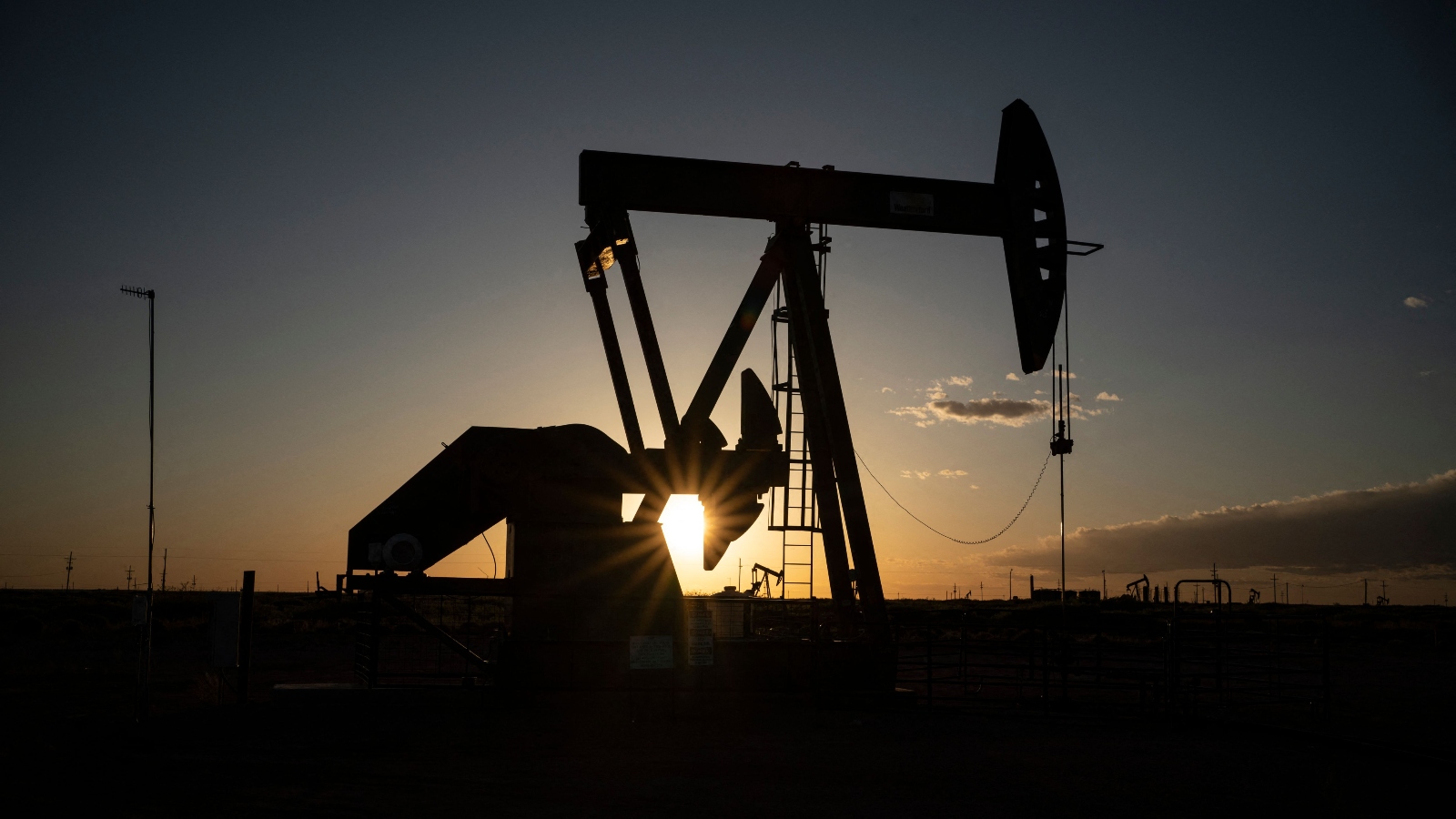
A 70-foot wastewater geyser erupted from an oilfield disposal well in New Mexico, exposing the state's escalating crisis over managing produced water from oil and gas operations. The incident underscores tensions between industry expansion and environmental oversight in one of America's largest petroleum-producing regions.
New Mexico's oil and gas sector generates massive quantities of produced water, a byproduct extracted alongside crude oil. This salty, often contaminated fluid requires disposal, and injection into deep underground wells has become the standard practice. Yet the state's disposal infrastructure struggles to keep pace with production volumes. As operators extract more oil, they generate more waste water, creating pressure to approve additional injection wells and expand capacity at existing facilities.
The wastewater geyser illustrates the mechanical risks inherent in rapid expansion of injection infrastructure. Pressure buildup, equipment failures, or well integrity issues can force wastewater toward the surface, posing environmental and health hazards. New Mexico regulators face competing pressures from the oil and gas industry, which argues disposal capacity must grow to sustain operations, and from environmental advocates who warn that aggressive injection exposes groundwater and surface waters to contamination.
The state generated approximately 28 million barrels of produced water daily in recent years, figures that continue climbing as drilling accelerates. New Mexico's Oil Conservation Commission oversees injection well permits and operations, balancing economic interests against environmental safeguards.
The geyser incident revives debates over whether the state's regulatory framework adequately protects water resources while accommodating industry needs. Critics argue New Mexico approves disposal wells too quickly and with insufficient monitoring. Industry representatives contend that safe, proven injection technology manages waste responsibly and enables continued energy production.
The produced water challenge extends beyond mechanical accidents. Injected fluids can migrate toward fresh water aquifers if well integrity fails or geological conditions prove unsuitable for long-