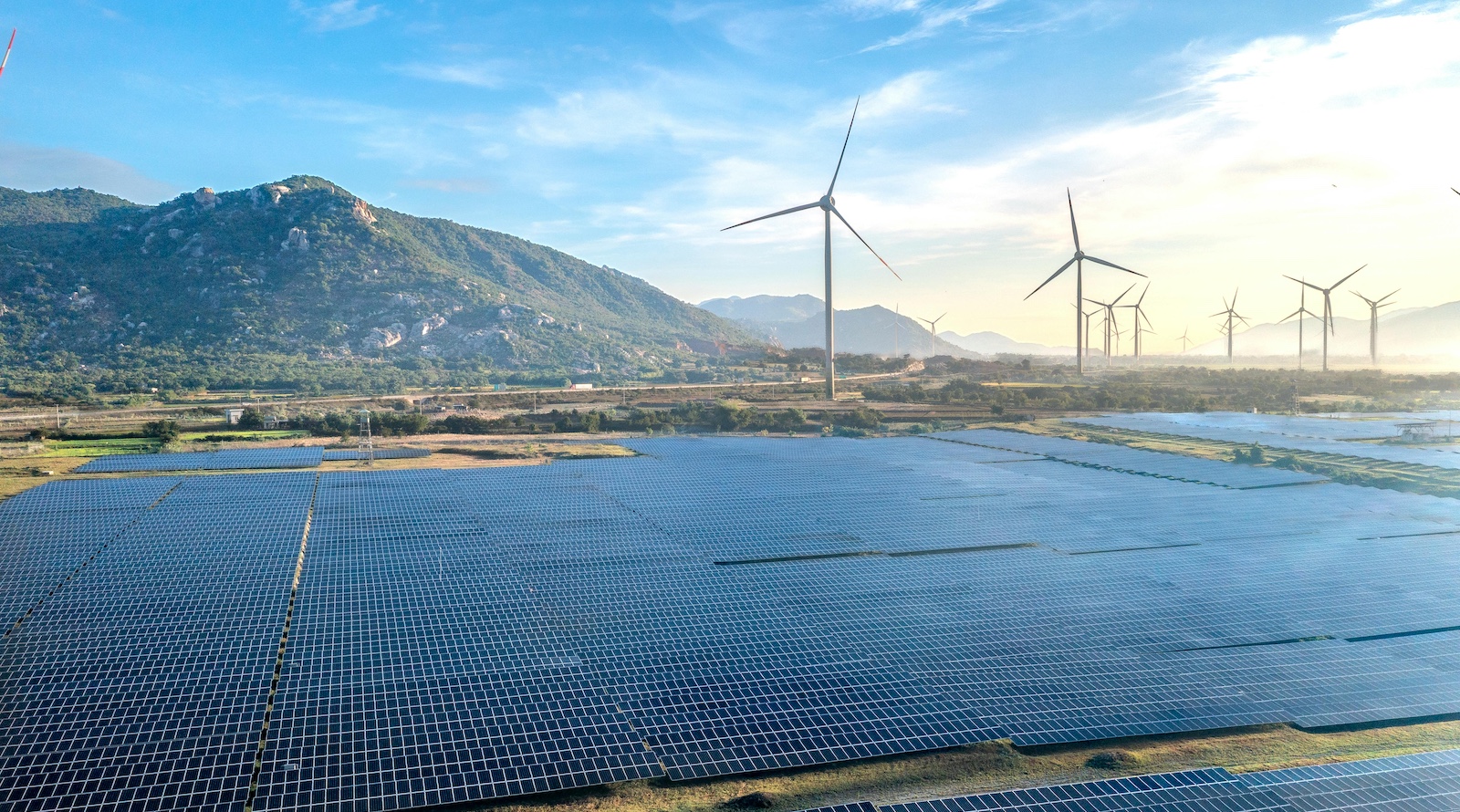
The United States continues to subsidize coal power despite overwhelming economic and environmental evidence favoring renewable energy. A recent $700 million subsidy for aging coal infrastructure exemplifies this paradox, even as Republican-led states increasingly adopt solar and wind capacity.
Coal plants operate at higher costs than solar and wind installations. New solar projects generate electricity at $20 to $50 per megawatt-hour, while coal averages $60 to $150 per megawatt-hour when accounting for fuel, maintenance, and environmental compliance. Wind costs similarly undercut coal. Yet federal and state subsidies prop up coal operations that would otherwise retire.
Several factors explain this disconnect between economics and policy. Coal industry workers and their unions exert political pressure to preserve jobs, even as mechanization reduces workforce requirements. Coal-producing regions like Wyoming and West Virginia depend on tax revenue from coal extraction and generation. Community identity remains tied to coal heritage, creating emotional and cultural resistance to transition.
Incumbent power plants represent sunk capital costs. Utilities and plant owners resist stranded asset losses, lobbying for subsidies rather than accepting retirement. Federal and state regulators sometimes prioritize "baseload power" reliability arguments, though modern grid management with battery storage addresses intermittency concerns effectively.
Misinformation campaigns funded by fossil fuel interests have questioned renewable reliability and costs. These narratives gain traction in regions with limited renewable deployment experience, creating perceived risk around transition.
Red states including Missouri, Arkansas, Ohio, Mississippi, Michigan, Arizona, Louisiana, and Wyoming now lead renewable energy expansion, revealing that political ideology need not determine energy policy. Economic logic ultimately prevails. Policymakers in these states recognize that solar and wind jobs outnumber coal jobs nationally, with better wage growth and lower operating costs supporting long-term budgets.
The $700 million coal subsidy represents a market distortion working against both clean energy deployment and