Neonicotinoid insecticides, or neonics, persist across agricultural landscapes and urban environments at levels that threaten both pollinator populations and human health. These systemic pesticides, designed to kill insects on contact, migrate into soil and water supplies where they accumulate over time, reaching communities far from application sites.
The contamination problem extends beyond farmland. Neonics show up in dust from treated seeds, in groundwater beneath agricultural regions, and in urban gardens where ornamental plants sold at retail nurseries have been pre-treated with these chemicals. A 2023 study found neonics in 75 percent of surface water samples collected across the United States, demonstrating the pervasiveness of the problem.
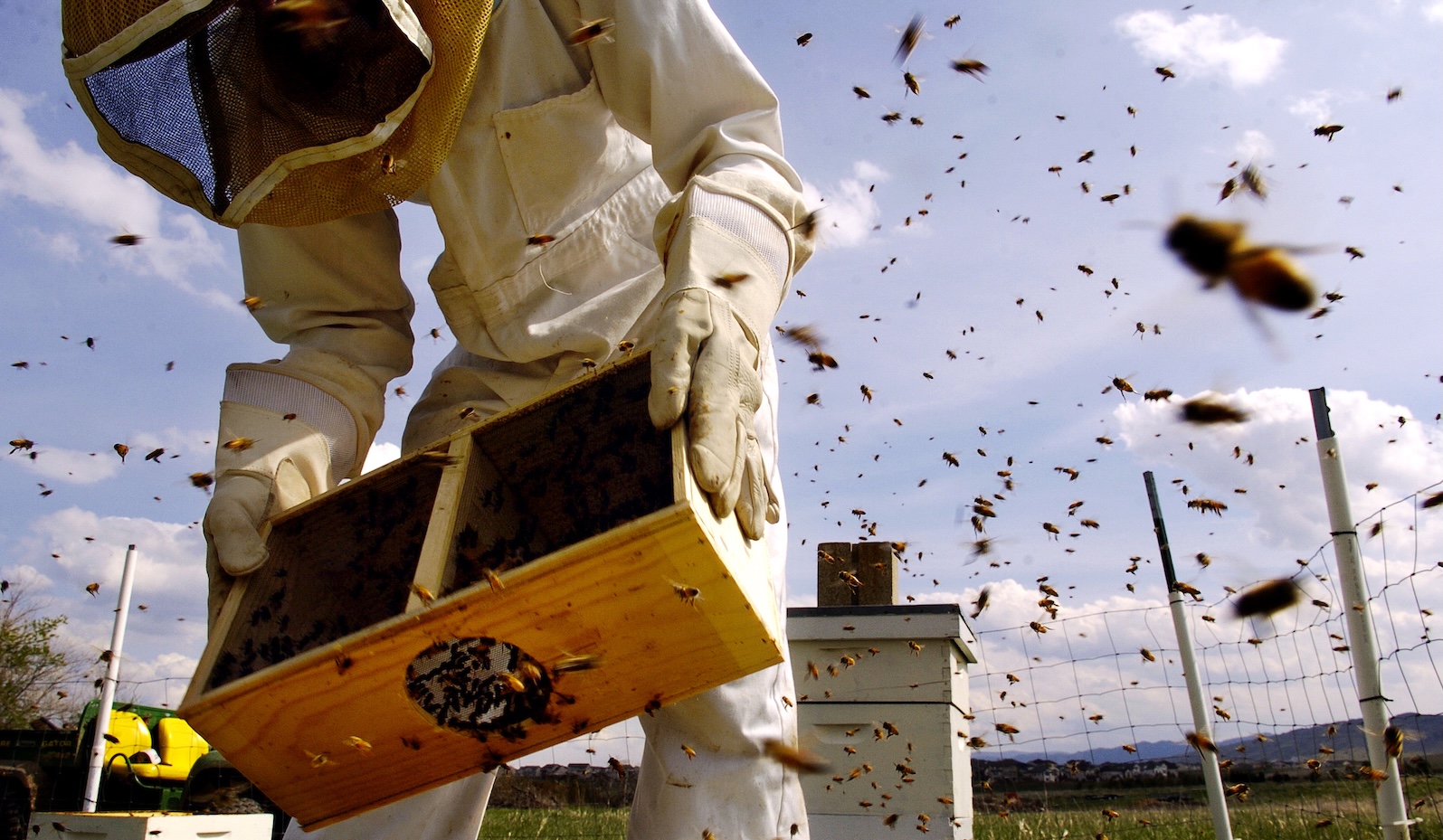
Bees and other pollinators face acute exposure. Research from the University of Guelph documented that neonics impair bee navigation and reproduction at concentrations well below lethal doses. Honeybees exposed to field-realistic levels show reduced ability to locate food sources and establish colonies. Bumblebees experience similar cognitive damage and reduced queen production.
Human exposure pathways remain poorly understood but measurable. The German Environment Agency detected neonicotinoids in 99 percent of honey samples tested across Europe. While regulatory agencies have set drinking water standards, enforcement remains inconsistent. Communities near intensive agricultural operations report elevated neonic levels in well water and dust samples.
The European Union banned three major neonics in 2018 for outdoor crops. The United States has resisted similar restrictions. The Environmental Protection Agency maintains approvals for imidacloprid, clothianidin, and thiamethoxam, citing insufficient evidence of widespread harm. Manufacturers argue that proper application protocols minimize environmental release.
Environmental groups and public health advocates push for precautionary action. A coalition led by the Center for Biological Diversity and the Xerces