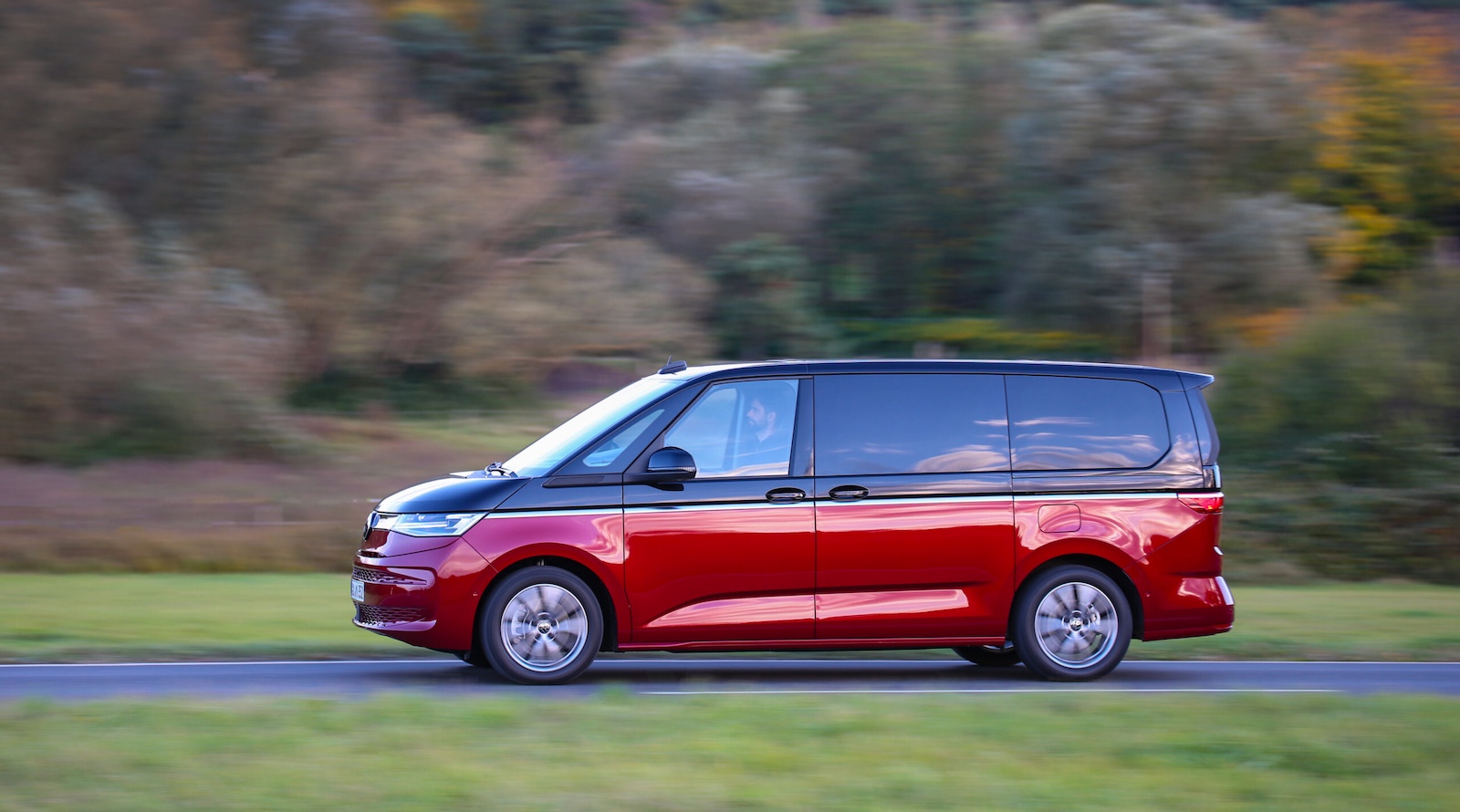
Plug-in hybrid vehicle sales in South Africa surged 280% year-over-year in 2025 compared to 2024 figures, according to naamsa's quarterly review of the South African motor vehicle manufacturing industry. The surge reflects rapid consumer adoption of PHEVs, which combine gasoline engines with rechargeable battery packs to reduce emissions during short trips while maintaining range flexibility for longer journeys.
South Africa's PHEV market expansion occurs as the country navigates its energy transition and transportation electrification. PHEVs bridge the gap between traditional combustion vehicles and battery-electric cars, offering lower tailpipe emissions than conventional vehicles while avoiding the range anxiety associated with pure electric vehicles in regions with developing charging infrastructure.
The 280% growth rate signals shifting consumer preferences toward electrified powertrains. PHEVs allow drivers to operate on electric power for daily commutes, typically 20-50 kilometers, while retaining gasoline backup for longer routes. This dual-fuel flexibility has proven popular in markets where charging networks remain incomplete.
South Africa's automotive sector, which contributed roughly 6% to national GDP in recent years, has positioned itself as a manufacturing hub for the African continent. PHEV growth supports domestic assembly operations and export opportunities as manufacturers invest in electrified vehicle platforms.
However, PHEV expansion raises questions about long-term climate strategy. While PHEVs reduce emissions relative to gasoline-only vehicles, environmental advocates note they cannot achieve net-zero transport goals alone. Real-world PHEV efficiency often lags laboratory ratings, and vehicles frequently operate on gasoline engines when battery ranges deplete. Transport decarbonization requires coordinated investments in electric vehicle charging infrastructure, renewable energy generation, and battery manufacturing capacity.
The growth also reflects consumer economics. PHEVs cost less than equivalent battery-electric vehicles while offering greater range. In