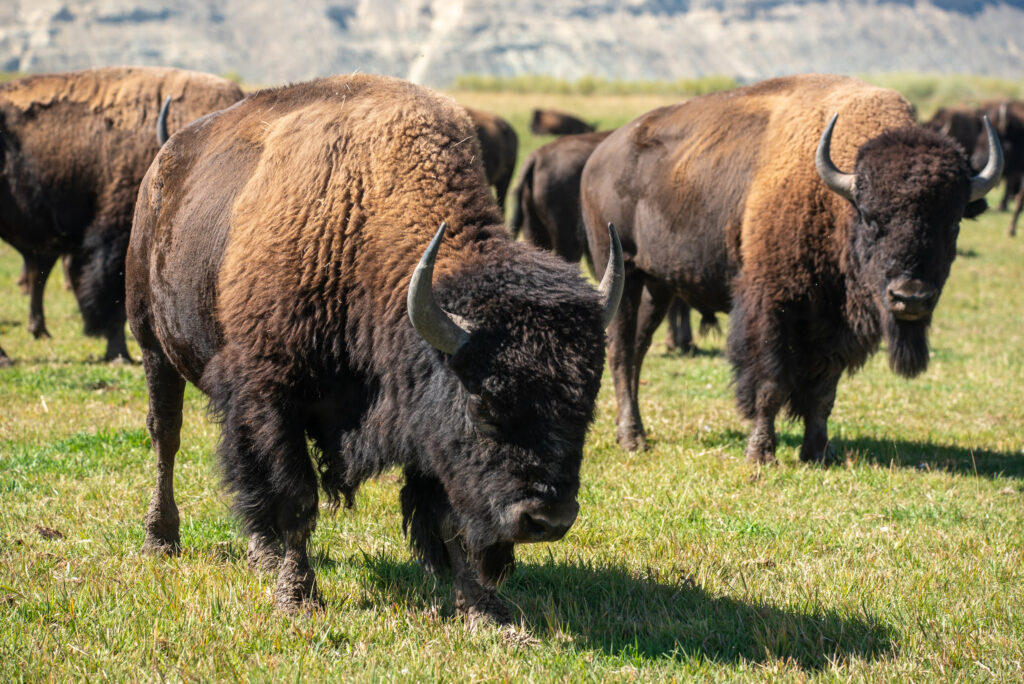
The Bureau of Land Management's new grazing regulations threaten tribal bison restoration programs across the western United States, eliminating permission for Native American herds to graze on federal public lands. The policy reversal disrupts years of conservation progress that expanded bison populations under tribal management while improving rangeland health.
Tribal bison herds were growing substantially before this policy shift. Research demonstrates that bison grazing restores prairie ecosystems more effectively than cattle ranching. Bison produce less fatty meat than beef, making them nutritionally superior for tribal food sovereignty. The animals graze in ways that rebuild soil health and support native plant diversity, unlike the heavy compaction caused by cattle hooves.
The new BLM rules eliminate grazing permits that allowed tribes to manage bison on public lands in the West. This restriction primarily affects Indian Country, where tribes have invested in bison restoration as both ecological and cultural recovery. Bison hold deep significance in Native American traditions and economies. Expanded herds supported tribal meat consumption, cultural practices, and revenue from sustainable operations.
Public lands managed by the BLM span 245 million acres across twelve western states. These rangelands have historically served livestock grazing under federal permits. The exclusion of tribal bison from this system contradicts recent bipartisan recognition of bison's ecological benefits over conventional cattle operations.
The policy change occurs as several tribes have demonstrated successful bison management. The Blackfeet Nation, Northern Cheyenne, and other tribes expanded herds that regenerated degraded grasslands while feeding community members. These programs balanced conservation with food security in regions where economic opportunities remain limited.
Environmental groups supporting bison restoration note the regulation eliminates a climate-positive practice. Bison herding requires fewer inputs than cattle ranching and stores carbon in grassland soils. The shift also affects tribes' ability to meet climate commitments through landscape restoration.