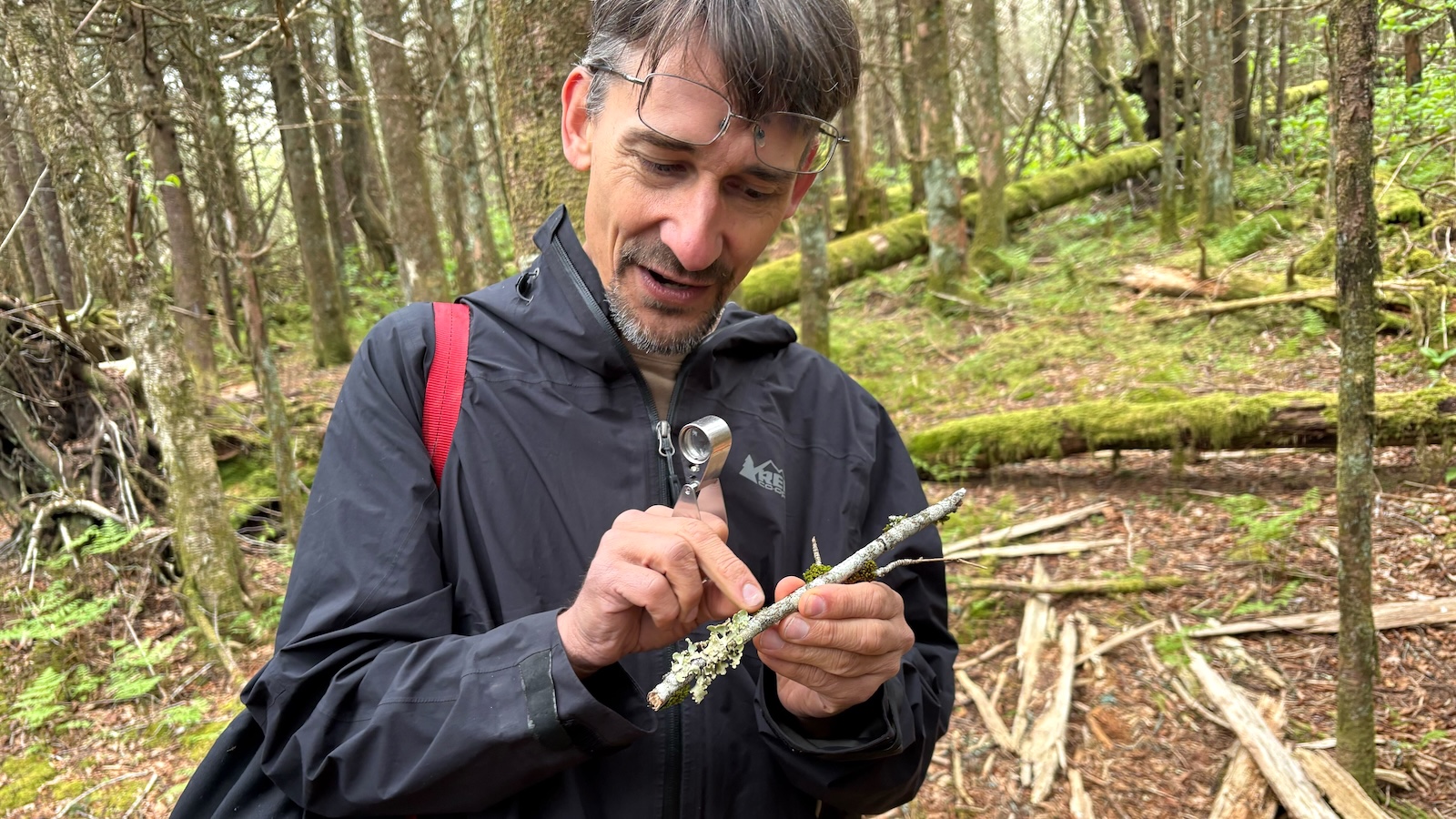
The Great Smoky Mountains National Park, America's most visited national park, hosts exceptional biodiversity across its 800 square miles. Now, a volunteer-led documentation effort is racing to catalog every species in the ecosystem before climate shifts alter or eliminate populations.
Citizen scientists participating in the initiative record lichens, insects, fungi, plants, and other organisms across elevation gradients that span nearly 6,500 feet. This vertical range creates distinct microclimates, making the Smoky Mountains a natural laboratory for tracking how species respond to warming temperatures.
The project builds on decades of baseline data. Researchers first cataloged the park's flora and fauna extensively in the mid-20th century. By comparing current species distributions and populations against those historical records, volunteers can quantify the pace of ecological change. Species tracked at lower elevations may shift upslope to cooler zones as temperatures rise. Some species may disappear entirely from the park.
Lichens serve as particularly sensitive indicators. These symbiotic organisms between fungi and algae respond quickly to air quality changes and temperature fluctuations. Their presence or absence reveals shifts in the park's microclimate conditions. Insects likewise reflect broader ecosystem health, with some species dependent on narrow temperature and moisture ranges.
The effort recruits amateur naturalists with varying expertise levels. Training programs teach volunteers standardized collection and documentation methods to ensure data quality. Digital platforms aggregate observations, creating a searchable database accessible to researchers studying climate impacts across the region.
Park managers use this citizen science data to inform conservation decisions. As species composition changes, management strategies may shift. Some species may require active protection or habitat restoration as their ranges contract. Others may become invasive as new climatic conditions favor their expansion.
The volunteer initiative recognizes that comprehensive species monitoring exceeds the capacity of professional staff alone. Across the Smoky Mountains, hundreds of volunteers contribute thousands of hours annually. Their collective