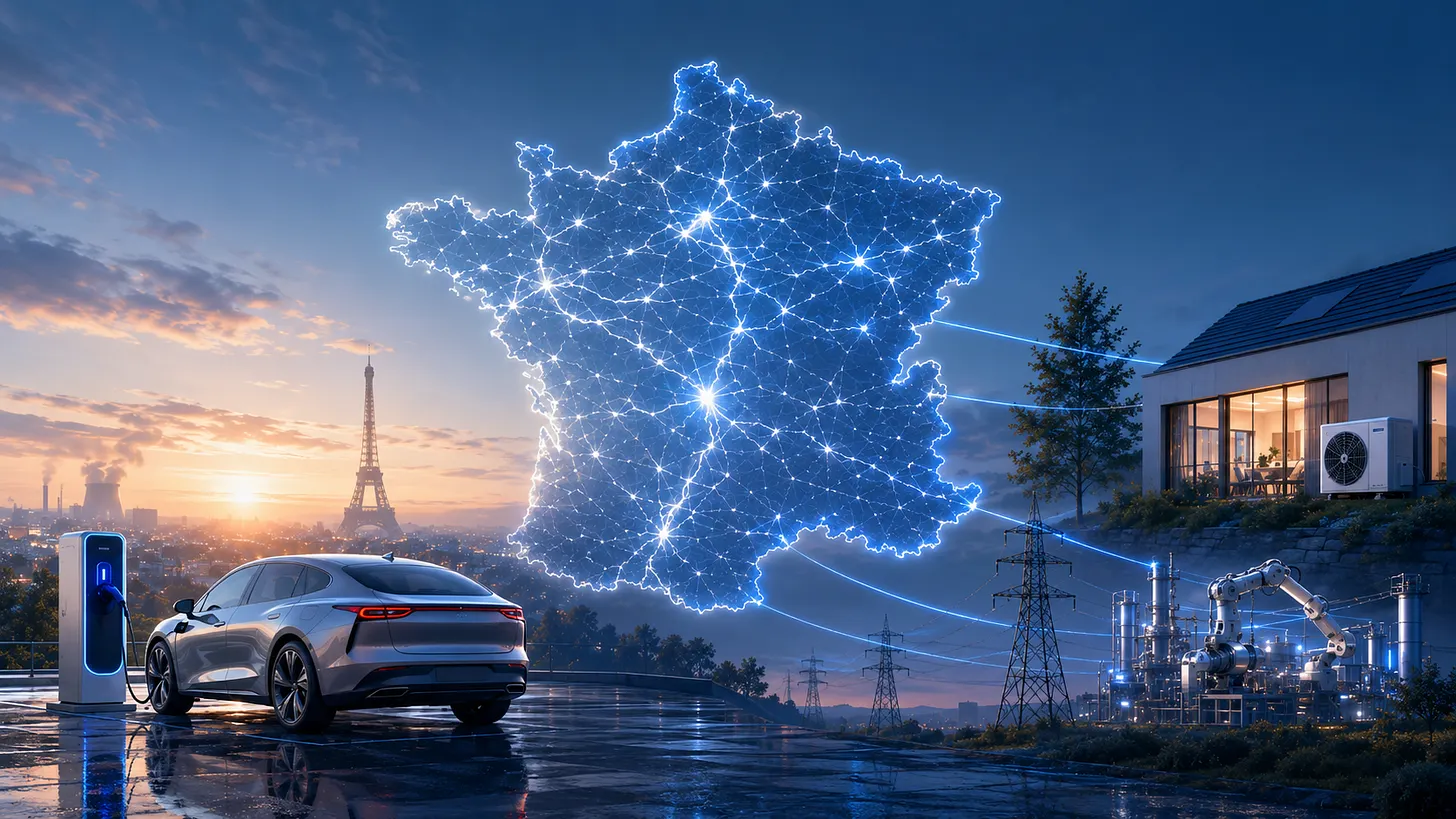
France has launched a national electrification strategy that treats grid modernization as central to climate and energy security policy, rather than a peripheral climate measure. The plan moves beyond token EV charging infrastructure and consumer rebates to restructure energy systems at scale.
The approach recognizes electrification as foundational to decarbonization. France's strategy integrates transportation, heating, and industrial processes into a coordinated transition away from fossil fuels. This systemic view contrasts with fragmented policies in other nations that treat electrification initiatives as disconnected from broader energy infrastructure planning.
However, the 2030 target embedded in the strategy faces execution challenges. The timeframe compresses massive infrastructure requirements, including grid upgrades, renewable generation capacity, and workforce training. France must expand electricity distribution networks to handle increased demand from electrified heating and transport while simultaneously retiring coal and gas plants.
The plan builds on France's existing nuclear foundation, which provides approximately 70 percent of domestic electricity. New nuclear capacity and expanded wind and solar generation form the supply backbone. But grid reinforcement and smart charging infrastructure require parallel investment to prevent bottlenecks.
Key implementation hurdles exist. Supply chain constraints affect solar panel and battery manufacturing. Grid modernization in rural areas demands coordination between state utilities and local governments. Workforce skills gaps threaten installation and maintenance timelines for heat pumps and EV charging networks.
France's electrification strategy demonstrates policy clarity that avoids false solutions like hydrogen for light vehicles or continued gas infrastructure investment. Instead, it prioritizes direct electric heating and vehicle propulsion. This directional accuracy positions France ahead of European peers still balancing competing interests.
The 2030 deadline creates pressure but also accountability. Achievement requires sustained funding, regulatory streamlining, and supply chain resilience. If France executes this strategy, it establishes a template for systemic electrification elsewhere. Failure to meet 2