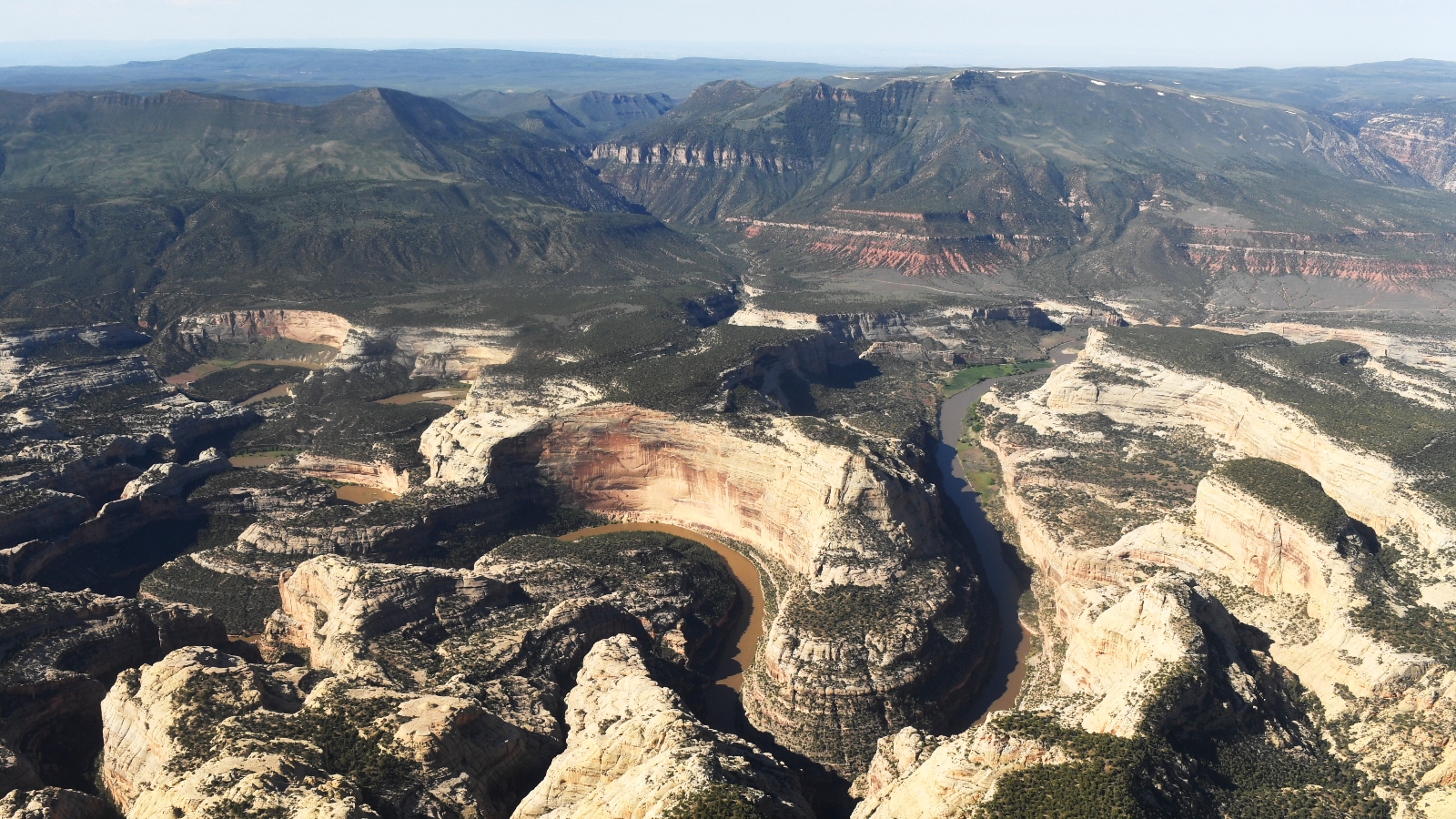
The Bureau of Land Management plans to auction tens of thousands of acres across Colorado's public lands for oil and gas development, marking the state's largest public land sale in decades. The decision exposes critical wildlife habitat and threatens species protection efforts across multiple ecosystems.
The lease sale encompasses terrain that supports populations of threatened and endangered species, including sage grouse and Colorado River cutthroat trout. Conservation groups argue the development will fragment habitats already stressed by climate change and existing industrial activity. The BLM's environmental review acknowledged these risks but proceeded with the sale anyway.
Recreation economy stakeholders raised objections. Colorado's outdoor recreation sector generates roughly $62 billion annually and employs over 250,000 people. Tourism operators warned that visible oil infrastructure, increased truck traffic, and air quality degradation in wilderness areas could damage economic returns from hiking, hunting, and fishing.
The federal agency received criticism for the scope and pace of the sale. Environmental organizations contend the BLM underestimated cumulative impacts from existing oil and gas operations in the region. They point to studies showing drilling noise disrupts wildlife behavior across distances of miles, reducing habitat effectiveness even where direct extraction does not occur.
Colorado's state government expressed mixed positions. Some officials supported the revenue generation for state education funds, while others raised concerns about long-term environmental and economic costs that exceed short-term lease payments.
The sale proceeds as the Biden administration faces pressure from both climate advocates and fossil fuel interests. The timing reflects federal law requiring the BLM to hold regular auctions of public lands. Legal challenges from environmental groups are expected.
The decision represents a collision between federal mineral extraction mandates and growing recognition that public lands serve multiple values. Colorado's outdoor economy, water quality, and biodiversity now compete directly with drilling interests on federally managed terrain.