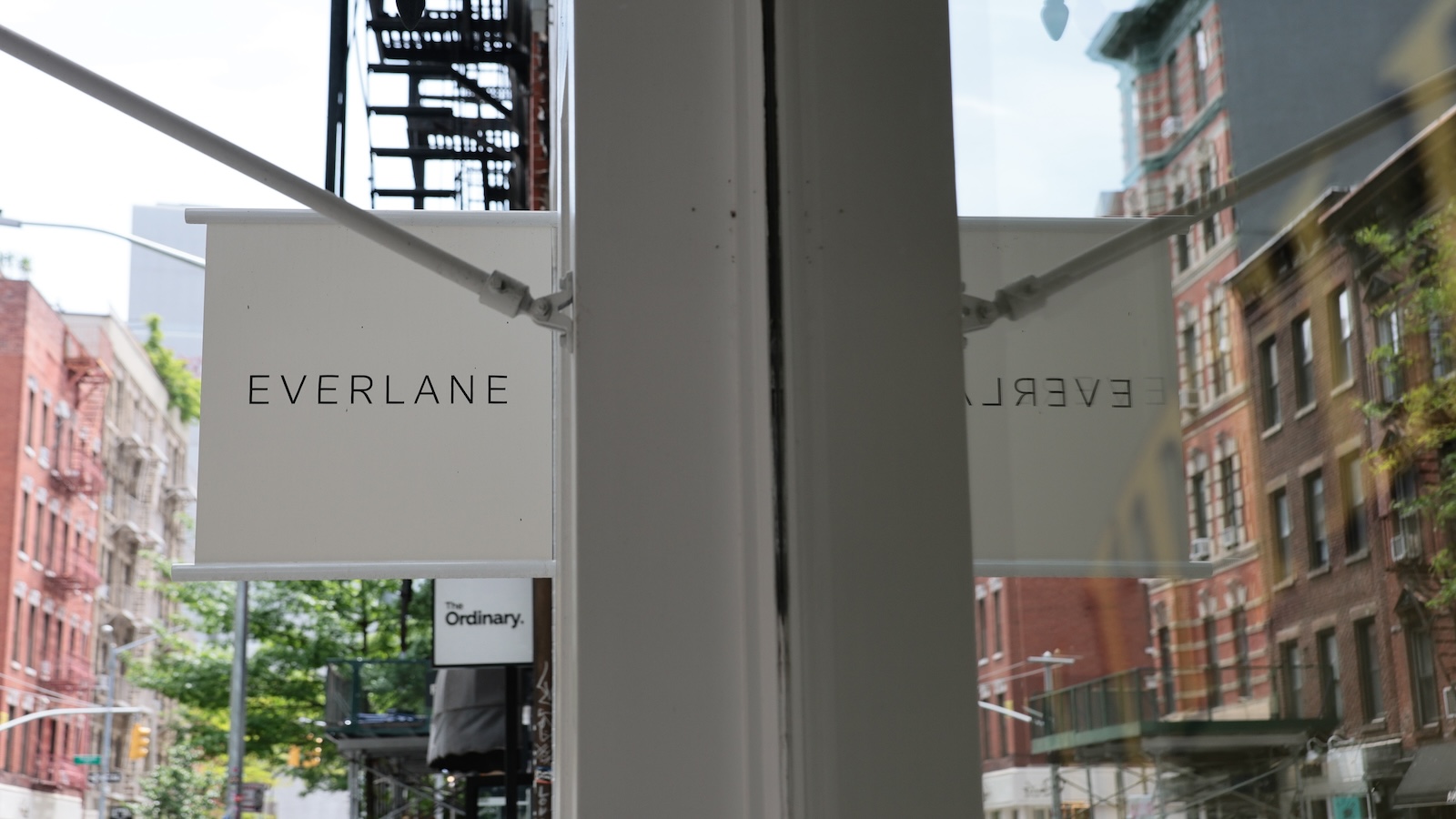
# Everlane, Shein, and the myth of sustainable fashion
Fast fashion retailers market themselves as environmentally conscious while simultaneously accelerating consumption. Everlane, which brands itself as "radical transparency" company, and Shein, a Chinese ultra-fast fashion giant, both claim sustainability commitments. Yet their core business models depend on rapid inventory turnover and constant purchasing pressure.
Everlane publishes supply chain information and emphasizes lower markups. Shein produces thousands of new styles weekly, selling items at prices that enable disposable consumption. Both companies describe sustainable materials or carbon reduction targets. Neither structure addresses the fundamental problem. Apparel production generates 92 million tons of textile waste annually, according to the Ellen MacArthur Foundation. The fashion industry accounts for roughly 10 percent of global carbon emissions.
Marketing environmental responsibility creates what researchers call "greenwashing." Customers feel virtuous purchasing from companies with sustainability narratives, then buy more items regardless. The clothing still ends up in landfills. The carbon footprint expands with volume.
Genuine sustainability requires reduced consumption, not optimized consumption. This conflicts with retail profit models. Companies must sell higher volumes to grow shareholder value. Pledging carbon neutrality by 2030 or using recycled polyester allows retailers to market themselves as responsible while maintaining growth trajectories.
The environmental crisis in textiles intensifies because retailers control the narrative around "sustainable fashion." They define the problem narrowly: choosing better materials or factory conditions. They ignore the wider issue: buying less matters more than buying "better."
Consumers encounter a convenient fiction. Purchase sustainable clothing from a company with transparency reports, and your wardrobe becomes ethical. The underlying mathematics don't support this. One sustainable garment purchased alongside nine conventional items still means ten garments purchased. The waste, water consumption, and emissions scale accordingly.
Fashion's