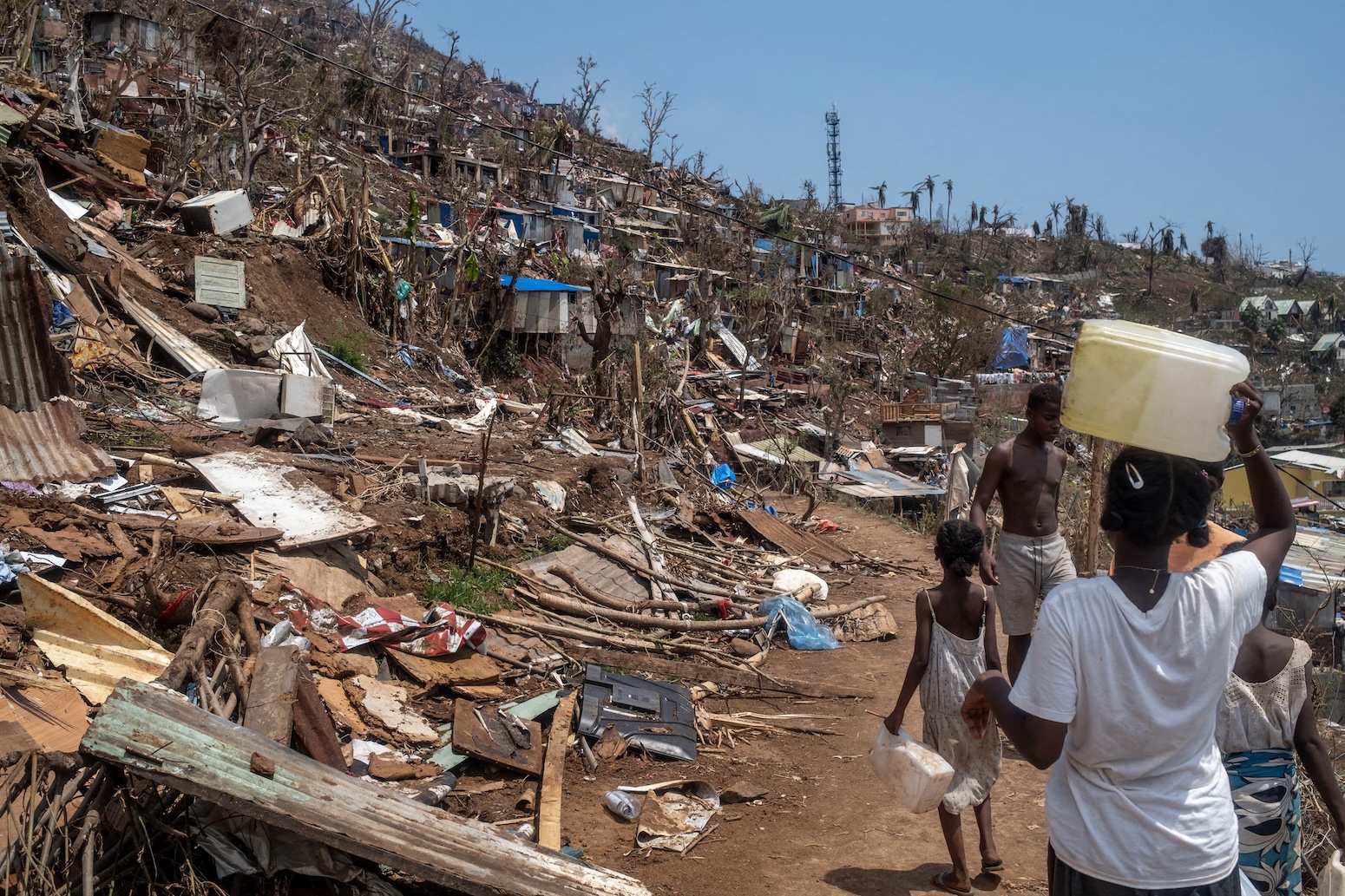
EM-DAT, the Emergency Events Database maintained by the Centre for Research on the Epidemiology of Disasters at the Université catholique de Louvain in Belgium, faces closure due to proposed cuts to U.S. foreign aid under the Trump administration.
The database compiles information on more than 28,000 disasters spanning six decades, tracking deaths, injuries, economic losses, and affected populations across natural and human-caused catastrophes. Climate scientists, disaster response planners, insurers, and development agencies worldwide use EM-DAT to assess trends in extreme weather patterns, evaluate climate change impacts, and design adaptation strategies.
The United States provides roughly 15 percent of EM-DAT's annual operating budget through international development funding mechanisms. Proposed reductions to foreign assistance spending would eliminate this contribution, creating a funding gap the institution cannot absorb. Without immediate alternative financing, the database risks going offline within months.
Loss of EM-DAT would sever a critical research infrastructure. Scientists rely on its standardized methodology and 60-year historical record to quantify whether disaster frequency and intensity are changing. Insurance companies use the data to price premiums and assess climate-related risks. Developing nations leverage EM-DAT statistics to justify climate adaptation investments and secure climate finance.
The database's closure would create a research blind spot precisely when understanding disaster patterns matters most. Climate change is altering the frequency and severity of extreme events. Attribution science increasingly links specific disasters to human-caused warming. EM-DAT provides the empirical foundation for these analyses.
Several European nations and the European Commission have indicated willingness to increase their contributions if the U.S. withdraws support. However, filling the full funding gap requires commitments not yet formalized. The timeframe for securing alternative sources remains unclear.
The threatened shutdown exemplifies how geopolitical shifts affect scientific infrastructure. Disaster