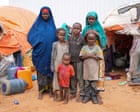
Somalia faces a cascading humanitarian catastrophe as climate extremes compound displacement, hunger, and economic collapse. More than 6.5 million Somalis now teeter on the edge of severe food insecurity, driven by a convergence of three forces: prolonged drought, armed conflict, and shrinking international aid.
Zeynab Ibrahim's experience anchors the crisis. Her rural village endured three consecutive years without adequate rainfall. Wells ran dry. Farmland turned to dust. Disease and starvation killed four of her ten children. After exhausting every survival tactic—selling dried grass, excavating water from parched earth—Ibrahim fled to a displacement camp in Mogadishu, one of millions forced into this trajectory.
Somalia experienced its worst drought in four decades between 2016 and 2017, followed by erratic rainfall patterns that swung between extreme scarcity and destructive flooding. These climate shocks obliterate pastoral and agricultural livelihoods that sustain 70 percent of the population. Livestock dies. Crops fail. Herds that take years to rebuild vanish in months.
The humanitarian response has contracted sharply. Major donors have cut aid commitments as global attention shifts and budgets tighten. This withdrawal arrives precisely when need peaks. Displacement camps lack adequate food rations, clean water, sanitation, and medical services. Malnutrition rates climb. Cholera and measles spread.
Armed conflict fragments state capacity and blocks humanitarian access across regions. Al-Shabaab controls vast territory. Clan militias fragment central authority. Fighting destroys infrastructure and displaces populations repeatedly, creating cycles of chronic instability.
The mathematics are brutal: 6.5 million people require immediate food assistance in a nation with minimal domestic revenue and diminished external support. Children suffer acute malnutrition. Families sell assets at