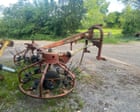
On a Berkshire farm, birds and insects are adapting to agricultural spaces in unexpected ways, finding novel nesting sites among working equipment and livestock areas.
Pied and grey wagtails hunt insects during farm chores, their nests still unlocated despite regular sightings near the muck heap. Swallows exploit the abundance of midges and flies drawn to horses and other warm-blooded animals. The farm's constant water supply from bucket washing and hosing provides essential mud for nest construction and repair, creating ideal breeding conditions.
This pattern reflects broader wildlife behavior on working farms. Species that historically nested in natural landscapes now integrate into agricultural zones where food sources concentrate around livestock and stored materials. The availability of insects near animals, combined with reliable moisture and building materials, transforms farmyards into functional habitats.
Such adaptation carries ecological implications. While these birds find temporary shelter, their reliance on active farm operations creates vulnerability. Changes in farming practices, pesticide use, or livestock management directly affect insect populations that sustain these birds. The relationship demonstrates how wildlife increasingly depends on human-managed spaces rather than designated natural habitats.
The observations from this Hungerford farm illustrate broader biodiversity patterns in lowland Britain. Agricultural landscapes now serve as primary habitat for species once dependent on wild grasslands and wetlands. This shift reflects habitat loss across the countryside, forcing species into closer proximity with human activity.
Documentation of such nesting behavior contributes to understanding how wild species persist in fragmented landscapes. Citizen observations from farms provide data on species distribution and breeding success that formal surveys often miss. The presence of wagtails, swallows, and other birds indicates ecosystem function within working agricultural systems.
Continued monitoring of these nesting sites offers insight into how farming practices affect wildlife populations. The farm's seeming suitability for breeding birds may not guarantee long-term sustainability if pesticide applications reduce ins