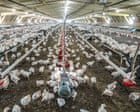
Global meat consumption has surged dramatically over six decades, with the average person now eating six times more chicken and twice as much pork compared to 1961, according to data from a United Nations report. Poultry supply climbed from below 3 kilograms per person in 1961 to 17 kilograms in 2022.
The overall global meat supply has risen fourfold over the past 60 years and continues accelerating. This trajectory carries substantial environmental consequences. Livestock production drives deforestation, consumes vast quantities of freshwater, and generates significant greenhouse gas emissions. The sector accounts for roughly 14.5 percent of global emissions, according to UN Food and Agriculture Organization assessments.
The expansion reflects rising incomes across developing nations, particularly in Asia, where meat consumption patterns increasingly mirror wealthy Western countries. Population growth amplifies the effect. The FAO projects meat supply will continue climbing as middle-income countries expand their protein intake.
Poultry has become the primary driver of meat growth. Chicken production requires fewer resources than beef or lamb, making it economically attractive to producers and consumers. Yet even efficient poultry systems create environmental pressures through feed production, water use, and waste management.
The shift poses challenges for climate commitments. Nations pursuing net-zero targets must address agricultural emissions, which come primarily from methane release by ruminant livestock and manure management. Reducing meat consumption offers one pathway to lower emissions, though dietary change faces cultural resistance and economic interests defending livestock sectors.
Some evidence suggests plant-based alternatives can displace conventional meat in diets, but adoption remains slow in most regions. The UN data indicates structural change in food systems will require both supply-side innovation and demand-side shifts in consumer behavior. Without intervention, rising meat consumption will complicate efforts to meet Paris Agreement climate targets and address land degradation and biodiversity loss linked