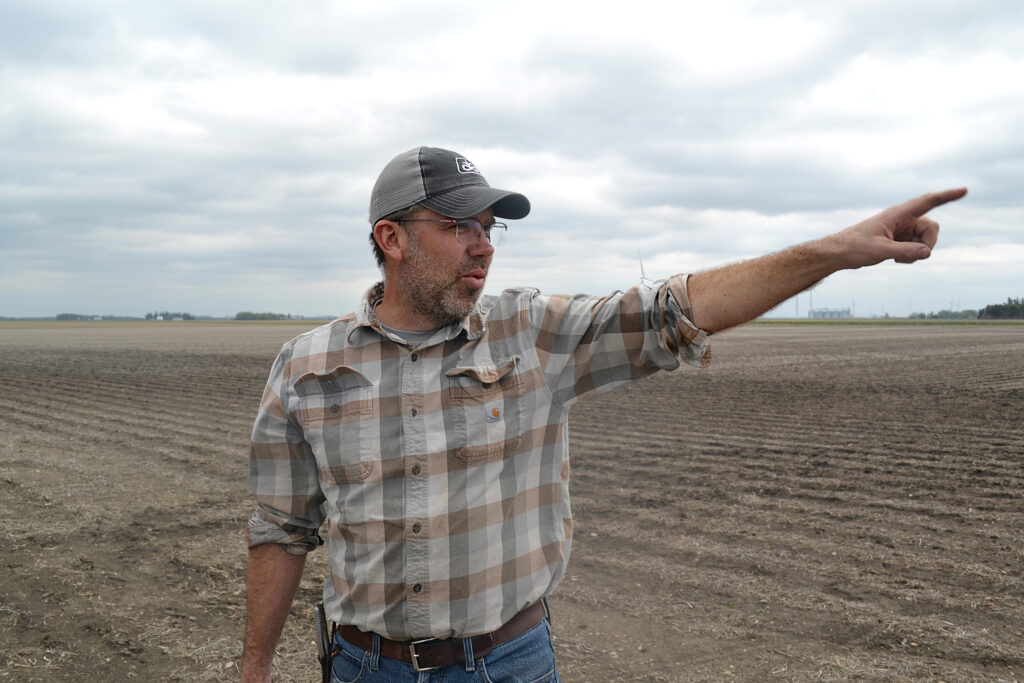
James Hepp, a corn and soy farmer managing 1,600 acres in northern Iowa, has become an unlikely advocate for agricultural regulation. The 36-year-old's shift reflects a growing divide among Iowa's farming establishment, typically resistant to government oversight.
Hepp's willingness to discuss regulation stems from deteriorating water quality across the region. Agricultural runoff containing nitrogen and phosphorus has contaminated groundwater and surface waters throughout northern Iowa, triggering repeated violations of the Safe Drinking Water Act in rural communities. The Iowa Department of Natural Resources has documented persistent elevated nitrate levels in wells serving farm families and small towns.
The farmer's frustration centers on the current voluntary conservation model. Iowa's state-led approach relies on incentive programs for best management practices, yet water quality metrics continue declining. Nitrogen concentrations in Iowa waterways have climbed as commodity farming intensified over the past two decades. The Mississippi River's hypoxic zone, fed substantially by agricultural nutrients from Iowa, expanded again in 2023.
Hepp represents a small but vocal cohort of producers acknowledging that market mechanisms and voluntary adoption alone cannot arrest the pollution. He argues that competitors who reject conservation practices gain cost advantages, undercutting farmers investing in soil health and reduced chemical inputs. This creates a collective action problem that voluntary programs fail to solve.
Iowa's agricultural lobby has historically blocked stricter nitrogen management rules. The Farm Bureau and corn growers association consistently oppose mandatory nutrient reduction targets. Yet pressure is mounting from multiple directions: federal Clean Water Act enforcement actions, state health departments responding to contaminated wells, and younger farmers like Hepp concerned about long-term viability.
Hepp's openness to regulation signals potential cracks in the unified opposition that has stalled Iowa water policy for years. Conservation groups cite his willingness as evidence that practical farmers recognize voluntary approaches have failed. State legislators face renewed pressure