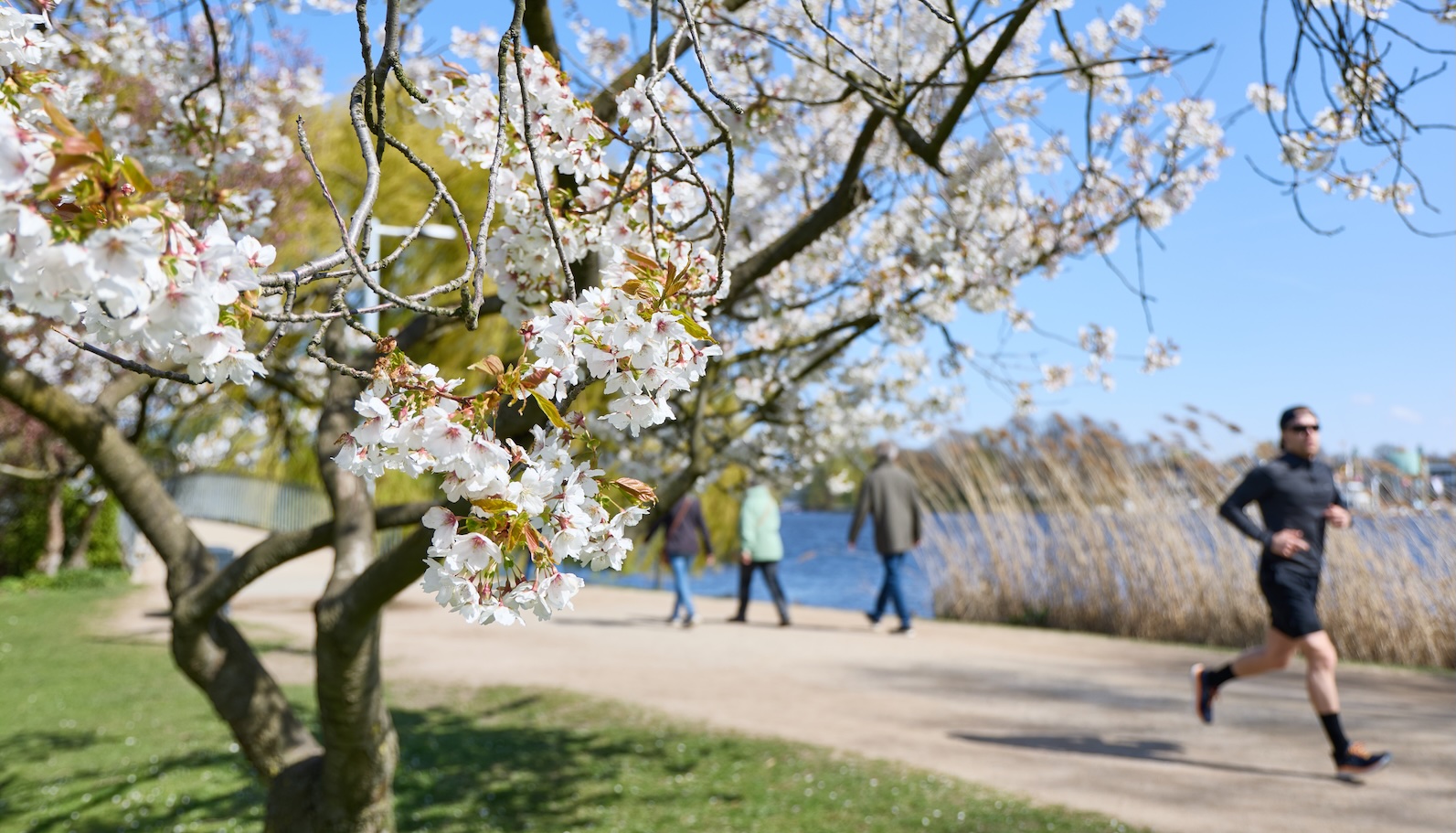
Urban parks generate substantial economic returns alongside their environmental benefits, according to new research that quantifies the financial case for green space investment. The report calculates that every dollar cities spend on parks produces three dollars in economic value through multiple pathways.
Parks drive economic activity by attracting residents and businesses to nearby neighborhoods. Property values increase in areas with accessible green space, expanding municipal tax bases. Retailers benefit from foot traffic generated by park visitors, while recreation facilities create jobs in maintenance, programming, and management. Healthcare savings compound these gains. Regular park access reduces rates of obesity, depression, and cardiovascular disease, cutting public health costs. Workers and students who exercise in parks show improved productivity and school attendance.
Environmental services parks provide also carry measurable economic weight. Trees and vegetation filter air pollutants, reducing respiratory illness treatment. Wetlands and permeable surfaces manage stormwater, decreasing expenses for flood damage and water treatment infrastructure. Parks lower urban heat island temperatures, reducing cooling costs for nearby buildings during summer months.
The research examined parks across multiple city sizes and climates to establish the three-to-one return ratio. Smaller cities often see even higher returns because park investments can more rapidly transform underutilized areas and attract population growth in ways large cities cannot easily replicate.
However, park funding remains constrained. Many municipalities cut green space budgets during economic downturns, even as evidence mounts that parks deliver faster returns than traditional infrastructure spending. The research underscores a disconnect between park spending levels and documented benefits. Communities that treat parks as essential services rather than optional amenities position themselves for both immediate economic gains and long-term resilience as climate impacts intensify.