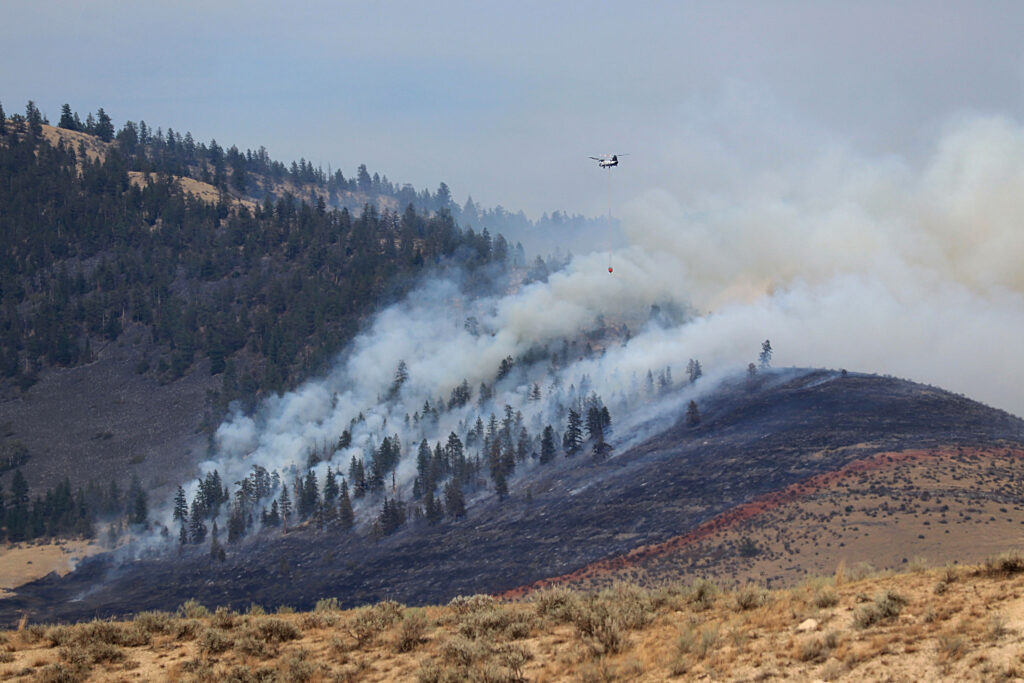
Montana officials forecast above-normal wildfire risk for the 2026 season, citing a convergence of drought, elevated temperatures, and wind as primary drivers. Governor Greg Gianforte joined state, local, and federal officials at a statewide wildfire outlook briefing Tuesday to discuss preparedness measures.
The warning reflects a pattern documented across the West. Warmer-than-average winter temperatures reduce snowpack, which extends dry seasons and creates longer windows for fire ignition and spread. Drought conditions persist in parts of Montana, reducing soil moisture and vegetation resilience. Wind events accelerate fire behavior and can push flames across landscape barriers that would otherwise slow their progression.
The briefing centered on operational readiness rather than mitigation strategies. Officials addressed resource allocation, personnel training, and inter-agency coordination ahead of the fire season. The state has invested in equipment and staffing levels, though budget constraints continue to limit some preparedness efforts.
Montana experienced destructive fire seasons in recent years. In 2024, wildfires burned over 1 million acres statewide. Climate data shows fire seasons have lengthened by several months since the 1970s, with peak fire activity now occurring earlier in summer as snowmelt accelerates.
The National Interagency Fire Center tracks seasonal predictions using temperature forecasts, precipitation patterns, and historical burn data. The 2026 outlook for Montana falls into the elevated-risk category, placing it alongside other western states bracing for above-average fire activity.
Preparedness strategies include pre-positioning crews, stockpiling retardant, and coordinating mutual aid agreements with neighboring states. Federal agencies including the U.S. Forest Service and Bureau of Land Management will deploy resources based on regional demand.
Climate conditions driving fire risk extend beyond single seasons. Long-term projections indicate western wildfire seasons will continue lengthening and intensifying through mid