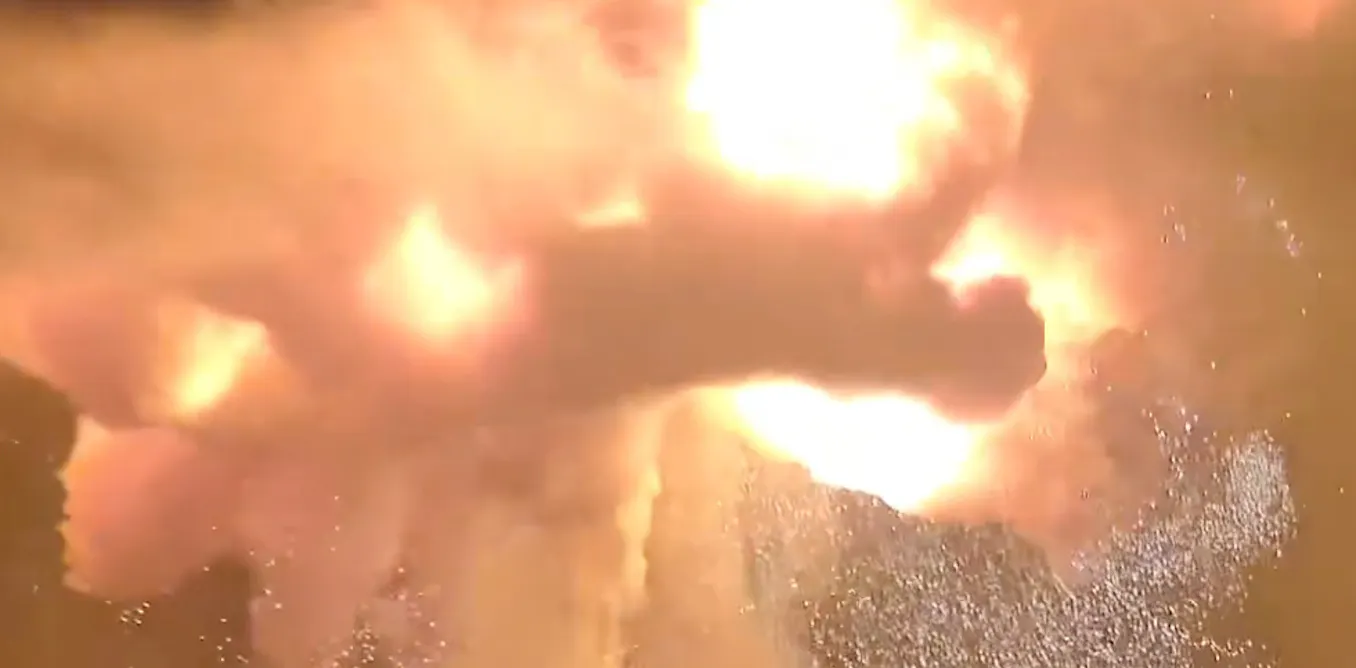
Methane has emerged as the preferred fuel for next-generation superheavy rockets operated by SpaceX and Blue Origin, but its use carries inherent explosion risks that the industry continues to manage.
A physical chemist analyzing methane propulsion notes that the fuel offers distinct advantages over traditional rocket propellants. Methane burns cleaner than kerosene, produces less soot, and requires less complex engine cooling systems. The fuel remains easier to store and handle compared to hydrogen, which demands extreme cryogenic temperatures near absolute zero. These practical benefits explain why SpaceX selected methane for its Starship development program and why Blue Origin incorporated it into its New Glenn rocket design.
However, methane's volatility poses serious safety challenges. The fuel ignites readily when mixed with oxidizers like liquid oxygen in confined spaces. Blue Origin experienced this risk firsthand during a 2024 engine test failure at its facility in West Texas, when a methane-fueled engine experienced a catastrophic explosion. The incident underscores that methane requires rigorous handling protocols, sophisticated monitoring systems, and multiple safety redundancies.
The chemical properties that make methane convenient also make it unforgiving. Its wide explosive range means relatively small variations in fuel-oxidizer ratios can trigger explosions. Engineers must maintain precise control over mixing, temperature, and pressure throughout engine operations. Any deviation from established parameters risks rapid combustion.
SpaceX has operated Starship's Raptor engines successfully on methane since 2019, conducting numerous test flights with relatively few catastrophic failures. The company's experience demonstrates that methane propulsion can be managed safely with proper engineering protocols. Blue Origin's explosion, while serious, appears to have resulted from specific operational conditions rather than inherent flaws in methane rocket design.
The aerospace industry recognizes that methane fuel represents a calculated trade-off. Its practical advantages for superheav