The U.S. war in Iran threatens to destabilize global food production through disrupted fertilizer supplies, the UN's Food and Agriculture Organization warned this week.
Máximo Torero Cullen, chief economist of the FAO, identified the Strait of Hormuz as "a critical failure point for global food security." Approximately one-third of the world's seaborne fertilizer trade passes through this waterway. With the strait largely blocked by military conflict, fertilizer shipments face severe delays and rerouting costs that inflate prices worldwide.
The disruption ripples across agricultural systems dependent on synthetic nutrients. Countries importing fertilizer face higher input costs just as inflation already strains food budgets in developing regions. This compounds existing pressures from climate disruption, supply chain fragmentation, and pandemic aftereffects that have already stressed global food systems since 2020.
Fertilizer shortages directly reduce crop yields. Potassium, phosphorus, and nitrogen nutrients concentrate in specific regions. Russia and Belarus produce roughly 40 percent of global potassium fertilizer. Morocco controls significant phosphate reserves. China restricts exports. These supply chains feed into major grain producers like Ukraine, India, and Argentina.
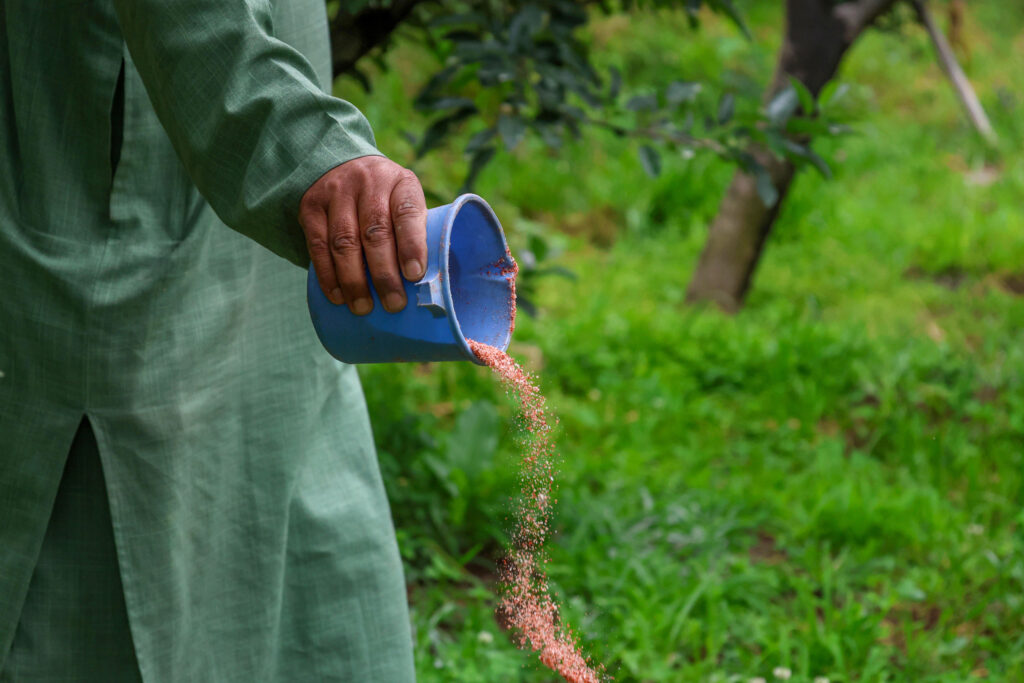
When fertilizer reaches farms late or at inflated prices, farmers reduce application rates or skip treatments altogether. Lower nutrient availability cuts yields of wheat, corn, rice, and legumes that feed billions. Food prices spike first in vulnerable nations with thin reserves and limited purchasing power.
The FAO has documented repeated commodity shocks since 2021. Fertilizer prices tripled in some markets during 2021-2022. Though prices have moderated from peaks, structural constraints remain. Transportation costs and geopolitical friction keep fertilizer prices elevated above pre-pandemic baselines.
The Strait of Hormuz crisis introduces new uncertainty into already fragile systems. Military escalation could further