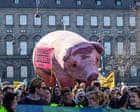
Denmark's incoming government under Prime Minister Mette Frederiksen has committed to major agricultural reforms after campaigners succeeded in making industrial farming a central election issue. Frederiksen, securing a third consecutive term, explicitly pledged that her left-leaning coalition would improve conditions "for the animals" alongside Danish citizens.
The election centered on intensive livestock operations, particularly pig farming. Denmark operates as one of Europe's largest pork producers, with industrial operations housing animals in conditions that have drawn sustained criticism from animal welfare advocates and environmental groups. These operations generate significant greenhouse gas emissions and create concentrated waste management challenges.
Campaigners leveraged the election cycle to force agricultural policy onto the national political agenda. Environmental organizations highlighted the dual impact of Denmark's ultra-intensive farming sector: animal welfare concerns and environmental degradation. The strategy proved effective, transforming what traditionally remained a peripheral policy discussion into a decisive voting issue.
Frederiksen's explicit commitment to animal welfare within her government programme marks a departure from typical political rhetoric. The pledge suggests the incoming coalition will pursue concrete policy changes affecting how Denmark's pig farming industry operates. Potential measures could include stricter housing standards, reduced stocking densities, or limits on expansion of industrial operations.
Denmark's pig farming sector carries economic weight. The country exports substantial quantities of pork internationally, and any regulatory changes would face resistance from producers. However, the electoral mandate gives Frederiksen's government political space to implement reforms.
This outcome reflects growing voter demand across Europe for agricultural practices that balance production with environmental sustainability and animal welfare standards. Denmark's decision carries regional significance, potentially influencing how other major EU agricultural producers address similar pressures.
The "pig election" framework demonstrates how environmental and animal welfare campaigning can penetrate mainstream political discourse when strategically timed and effectively communicated during electoral contests.