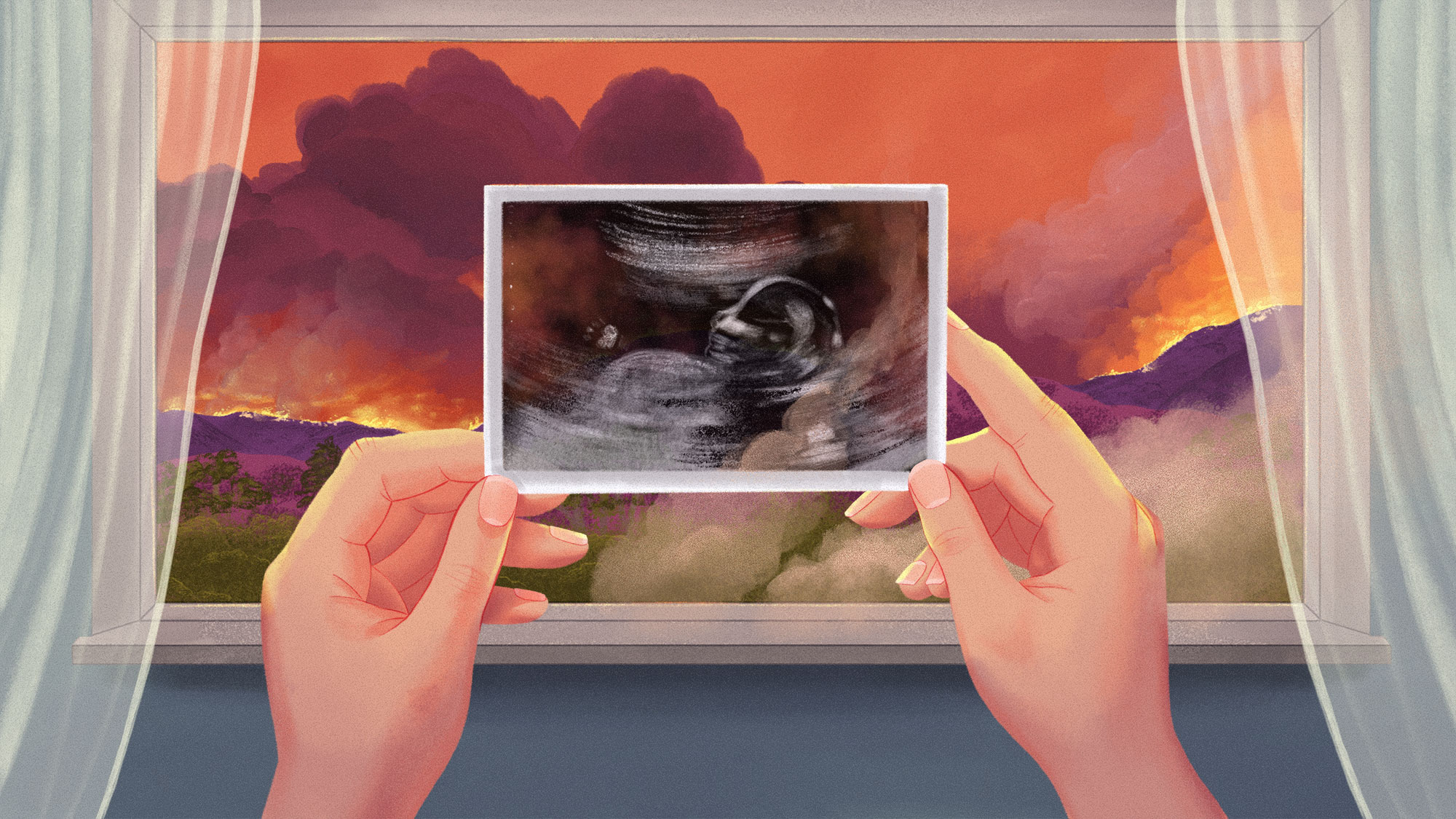
Pregnant women exposed to wildfire smoke face heightened risks of delivering premature or low-birthweight infants, according to emerging epidemiological research. Parents in smoke-affected regions report clusters of childhood respiratory conditions, developmental delays, and immune disorders that emerged in children born during or shortly after major fire seasons, raising questions about in-utero exposure to fine particulate matter.
Wildfire smoke contains ultrafine particles smaller than 2.5 micrometers (PM2.5) that penetrate deep into lung tissue and cross the placental barrier. Studies from California's 2015 and 2018 fire seasons documented associations between maternal smoke exposure and adverse birth outcomes. Research published in Environmental Health Perspectives found that pregnancies with third-trimester smoke exposure showed increased rates of preterm birth.
The mechanism appears biological. Smoke inhalation triggers systemic inflammation in pregnant women, reducing placental oxygen transfer and nutrient delivery to developing fetuses. Polycyclic aromatic hydrocarbons and other toxins in smoke accumulate in amniotic fluid and fetal tissues, potentially disrupting organ development during critical windows.
However, establishing direct causation remains scientifically complex. Birth outcome registries and epidemiological cohorts track population-level patterns, but individual cases require accounting for confounding variables. Socioeconomic factors, pre-existing maternal health conditions, and concurrent air pollution from other sources complicate attribution.
The California Department of Public Health and U.S. Environmental Protection Agency have not established formal health alerts for smoke-exposed pregnancies, though both agencies recommend pregnant women limit outdoor exposure during poor air quality events. Researchers call for prospective cohort studies following children born during and after fire seasons, with detailed prenatal exposure assessment and long-term health monitoring.
Parents in fire-prone regions face genuine uncertainty. Some children exposed prenatally show no symptoms;